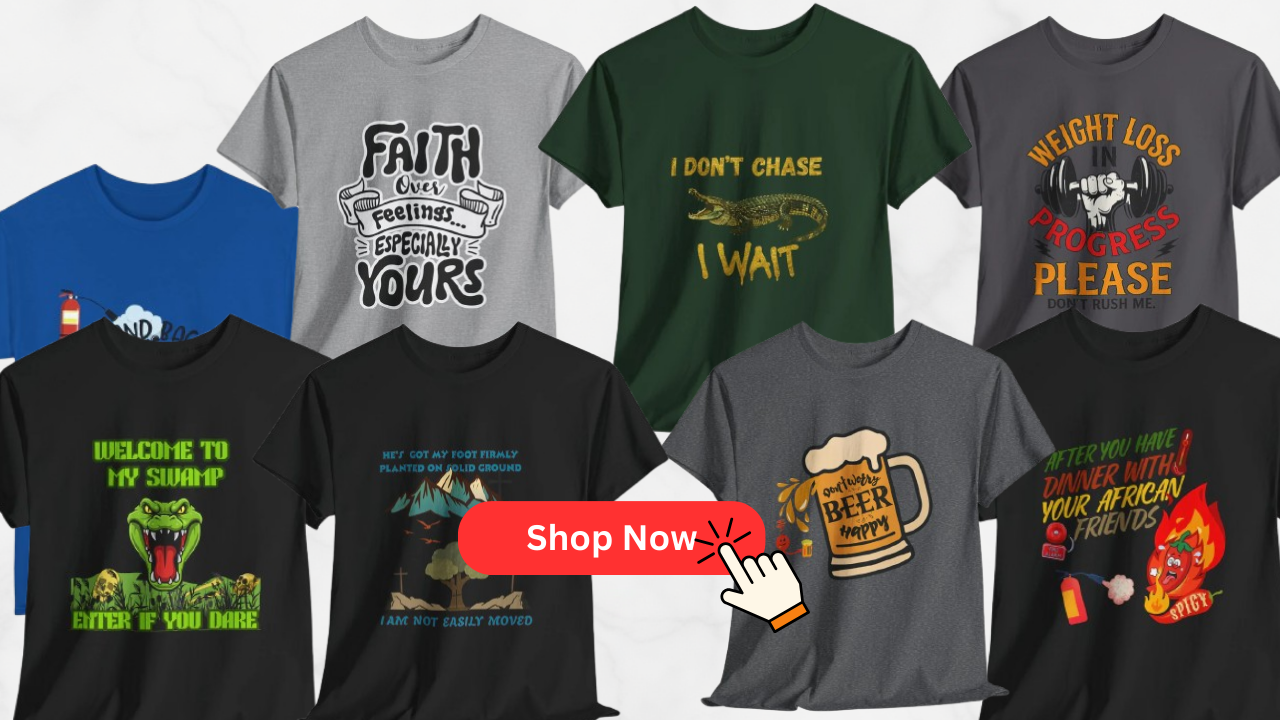
Statement fashion has transformed from a niche trend into a powerful global movement. Whether it’s bold slogan t-shirts, graphic hoodies, or eye-catching accessories, more people than ever are using clothing to communicate values, identity, and personality. This article explores why statement fashion keeps growing in popularity, how it connects to culture and technology, and what it means for the future of Talking T-Shirts, slogan apparel, and expressive streetwear.
What Is Statement Fashion?
Statement fashion refers to clothing and accessories designed to convey a clear, often bold, message. This can be visual, verbal, or symbolic. Instead of simply blending in, statement pieces are meant to stand out, start conversations, and reflect the wearer’s personality or beliefs.
Common examples include:
- Talking T-Shirts / Slogan Tees – tops featuring words, quotes, or phrases that express humor, politics, values, or identity.
- Graphic T-Shirts and Hoodies – apparel with standout artwork, logos, or images that communicate mood or culture.
- Bold Accessories – hats, bags, pins, and jewelry featuring symbols, slogans, or impactful visuals.
- Statement Jackets and Outerwear – jackets with embroidered messages, patches, or printed graphics.
Instead of fashion being purely aesthetic, statement clothing turns your outfit into a form of communication—often faster and more visible than anything you could say out loud.
A Brief History of Statement Clothing
While the current wave of statement fashion feels modern, the idea of using clothing to send messages is not new. The difference today is scale, visibility, and accessibility.
Early Visual Statements
- Heraldry and uniforms: For centuries, uniforms, crests, and colors displayed allegiance, rank, and identity.
- Subculture dress codes: Punk, goth, and other subcultures used style to signal rebellion and belonging.
The Rise of Slogan T-Shirts
From the 1960s onward, slogan t-shirts became a simple, powerful way to wear a message:
- Political and protest shirts in the late 1960s and 1970s.
- Band tees and tour shirts in the 1970s and 1980s as signs of fandom and culture.
- Designer statements in the 1990s and 2000s, blending luxury with slogans and graphics.
Today, the combination of streetwear culture, social media, and digital printing has pushed statement fashion into the mainstream, making it more diverse and more personal than ever.
Cultural Drivers Behind the Rise of Statement Fashion
Several cultural shifts explain why statement fashion keeps growing in popularity worldwide.
1. Desire for Individuality
In a globalized world where mass-produced clothing is everywhere, people look for ways to stand out. Statement fashion offers:
- Instant individuality within everyday outfits.
- A way to show humor, values, and tastes without saying a word.
- Personal flair even in basic items like t-shirts, hoodies, and caps.
2. Faster Communication
Modern life is fast-paced and visually driven. A bold slogan t-shirt or graphic hoodie communicates in seconds, which fits how we:
- Scroll past images on social feeds.
- Make rapid first impressions offline and online.
- Form opinions based on strong visual signals.
3. Normalization of “Dressing to Be Seen”
With the rise of influencers, selfies, Reels, and TikToks, outfits are no longer just for the people physically around you. They’re potential content. This makes expressive pieces, especially Talking T-Shirts, graphic streetwear, and bold statement tops, more attractive than plain basics.
How Social Media Supercharged Statement Style
Social media is one of the biggest reasons statement fashion is trending and keeps gaining momentum.
Visual Platforms Favor Bold Pieces
- Instagram, TikTok, YouTube, and Pinterest reward eye-catching visuals.
- Images with strong graphics or readable text grab attention quickly.
- Statement outfits generate likes, shares, and comments because they are recognizable and memorable.
Viral Slogan Tees and Hashtag Culture
Many viral trends are built around simple, repeatable ideas:
- A short, witty quote that looks perfect on a t-shirt.
- A catchy hashtag turned into wearable text.
- Meme-inspired designs that people instantly “get.”
This deeply benefits Talking T-Shirts brands and graphic apparel creators who can respond quickly and release fresh, topical designs.
Micro-Communities and Niche Identities
Online communities form around very specific interests and values. Statement clothing serves as a badge of belonging, for example:
- Gamers wearing designs referencing specific titles or memes.
- Fans of a TV show wearing quotes from iconic scenes.
- Advocates and activists wearing apparel that supports a cause.
The more online communities grow, the stronger the demand for niche, personalized, statement fashion.
Personal Expression and Identity Through Clothing
For many people, fashion is less about trends and more about identity, mood, and beliefs. Statement fashion taps directly into this need.
Clothing as a Personal Voice
Statement apparel allows you to:
- Express your sense of humor with funny slogan t-shirts.
- Show your values with quotes about kindness, resilience, or empowerment.
- Share your passions—from music and movies to sports and hobbies.
Low-Effort, High-Impact Expression
Compared to other forms of self-expression—like creating art, writing, or public speaking—wearing a statement piece is:
- Effortless: just choose the right t-shirt, hoodie, or jacket.
- Non-intrusive: you express yourself without forcing a conversation.
- Versatile: you can change your message as your moods and priorities shift.
Identity, Representation, and Inclusivity
People increasingly seek representation and visibility in what they wear. Statement fashion responds with:
- Designs that reflect different cultures and backgrounds.
- Messages that support gender identity, body positivity, and inclusivity.
- Apparel that validates and celebrates diverse experiences.
This makes statement clothing a powerful tool for identity affirmation, not just decoration.
Politics, Activism, and Message Apparel
One of the strongest forces behind statement fashion is the desire to wear your beliefs.
Fashion as Peaceful Protest
From marches to everyday life, clothing featuring clear messages can:
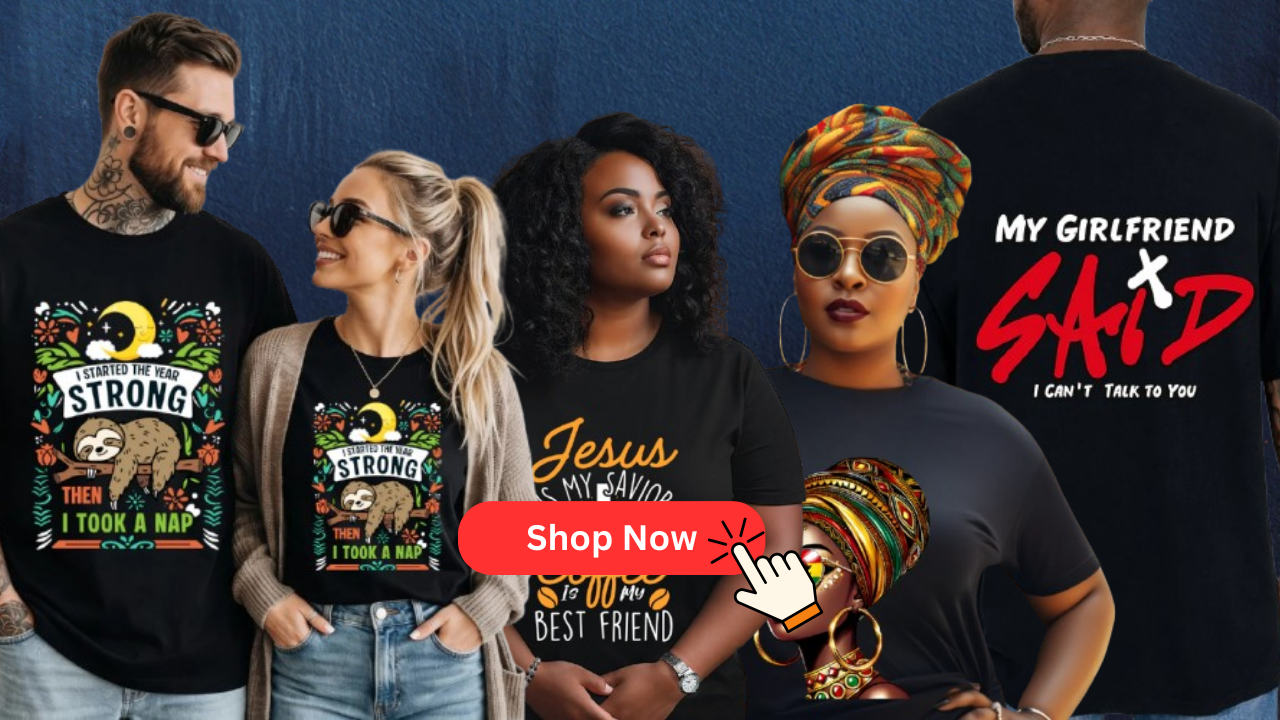
- Signal solidarity with movements and marginalized groups.
- Turn daily activities—like going to work or shopping—into subtle acts of advocacy.
- Help people feel part of something bigger than themselves.
Accessibility of Political Expression
Not everyone can participate in debates, write op-eds, or attend every event. But:
- Wearing a statement t-shirt is accessible and affordable for many.
- It allows silent supporters to become visible allies.
- It keeps conversations going, beyond online spaces.
This combination of visibility, affordability, and emotional resonance is a major reason political and activist apparel remains a strong segment of statement fashion.
Talking T-Shirts and the Power of Slogan Tees
Talking T-Shirts (or slogan tees) sit at the heart of statement fashion. They are simple, versatile, and instantly readable.
Why Slogan T-Shirts Work So Well
- Clarity: The message is immediately understandable, even from a distance.
- Versatility: Can be casual, layered under a blazer, or styled with streetwear.
- Affordability: Often more budget-friendly than high-fashion statement pieces.
- Endless variety: Quotes, jokes, illustrations, typography, and more.
Popular Types of Talking T-Shirts
-
Humorous Slogan Tees
- Playful one-liners and clever wordplay.
- Meme-inspired jokes and internet culture references.
- Lighthearted messages perfect for everyday wear.
-
Motivational and Inspirational Shirts
- Quotes about confidence, resilience, and self-love.
- Positive affirmations that boost mood and mindset.
- Great for fitness, wellness, or personal growth communities.
-
Cause-Based and Activist Tees
- Support for social justice, human rights, and environmental causes.
- Fundraising or awareness campaigns.
- Visual solidarity with communities and movements.
-
Fan and Fandom Shirts
- Lines from TV shows, movies, and songs.
- Logos, icons, and references to fandom communities.
- Instant icebreakers between fans.
Talking T-Shirts as Conversation Starters
One advantage of talking t-shirts is their ability to spark real-world connections:
- Strangers may comment on a clever phrase or shared fandom.
- Co-workers or classmates may use a t-shirt quote to start a chat.
- Events and meetups become more social when messages are visible.
In this way, Talking T-Shirts turn fashion into social interaction, not just style.
Streetwear, Pop Culture, and Graphic Apparel
Alongside slogan tees, streetwear and graphic apparel have cemented statement fashion as a global force.
Streetwear’s Influence
- Streetwear embraces bold logos, graphics, and collaborations.
- Limited drops and exclusive designs create excitement and urgency.
- Logos and artwork are used as strong visual markers of culture and taste.
Pop Culture Integration
Graphic t-shirts and hoodies often draw from:
- Music, especially hip-hop, rock, and pop icons.
- Movies, anime, gaming, and comics.
- Viral internet content and cultural moments.
This integration of streetwear, pop culture, and graphic tees makes statement fashion feel current, dynamic, and deeply connected to everyday entertainment.
Technology, Customization, and Print-on-Demand
The technological side of fashion is a key reason statement clothing has exploded in availability and creativity.
Digital Printing and On-Demand Production
- DTG (Direct-to-Garment) printing and other modern methods make small-batch production cost-effective.
- Print-on-demand services allow designs to be created and sold without large upfront inventory.
- Designers and small brands can test new messages and artwork quickly.
Customization and Personalization
Consumers now expect personalized fashion experiences, such as:
- Adding names, dates, or custom text to slogan tees.
- Choosing colors, fonts, and layout for unique apparel.
- Ordering custom graphics for events, teams, or small communities.
This level of personalization makes statement fashion more meaningful and emotionally valuable.
E-Commerce and Global Reach
- Online platforms let any designer reach a global audience.
- Social commerce (shopping directly from social media) streamlines discovery and purchase.
- Small brands that specialize in Talking T-Shirts and graphic apparel can grow quickly with effective SEO and social marketing.
Sustainability and Conscious Consumption
Many consumers are rethinking how and why they buy clothes. Statement fashion fits into this shift toward intentional choices.
Buying Less, Choosing with Purpose
- Instead of many disposable items, people prefer fewer pieces that actually mean something.
- Statement clothing can be:
- a reminder of a value or life goal,
- a symbol of a cause you support,
- a meaningful gift with a personal message.
Aligning Purchases with Values
Consumers increasingly ask:
- Does this brand stand for something I believe in?
- Is this design aligned with my ethics and worldview?
- Can my purchase support a cause or a small creator?
Cause-based Talking T-Shirts, activism apparel, and ethical streetwear answer these questions, driving demand for statement products that do more than just look good.
How Brands Can Leverage Statement Fashion
Brands—large or small—can benefit from the rise of statement fashion if they approach it thoughtfully.
1. Define Clear Brand Messages
- Identify the core values and themes your brand stands for.
- Develop a set of messages that:
- sound authentic,
- fit your tone,
- resonate with your community.
2. Focus on Design Quality
- Use readable typography and strong visual hierarchy for slogan tees.
- Ensure graphics are high-resolution and print-ready.
- Balance text and imagery for maximum impact and comfort.
3. Integrate Storytelling and Content
- Share the story behind each design or collection.
- Use blog posts, product descriptions, and social media to explain the meaning of your statement apparel.
- Encourage customers to share how the message relates to their life.
4. Use SEO to Reach Statement-Fashion Shoppers
To improve search visibility for statement apparel, brands should:
- Incorporate relevant keywords naturally, such as:
- “statement fashion”
- “talking t-shirts” or “talking tees”
- “slogan t-shirts” and “graphic tees”
- “statement hoodies” and “statement streetwear”
- “activist apparel” and “cause-based clothing”
- Optimize product pages with:
- descriptive titles and meta descriptions,
- detailed, keyword-rich product descriptions,
- high-quality alt tags for images.
- Create supporting content, like:
- blog posts about why statement fashion is popular,
- guides on how to style slogan t-shirts,
- articles about the meaning behind key designs.
5. Encourage User-Generated Content
- Ask customers to post photos wearing your statement designs.
- Reshare their content (with permission) across your channels.
- Feature real people and real stories to build trust.
Styling Tips: Wearing Statement Pieces with Confidence
Statement fashion doesn’t have to be complicated. With a few simple principles, Talking T-Shirts and bold graphic pieces can fit into almost any wardrobe.
1. Let One Piece Lead
- Choose one main statement item—a t-shirt, hoodie, or jacket.
- Keep the rest of the outfit more neutral to avoid visual overload.
- Use simple denim, solid-color pants, or minimal sneakers to balance the look.
2. Dress Up or Down
- Pair a slogan tee with:
- a blazer and tailored trousers for a smart-casual look,
- jeans and sneakers for a relaxed weekend outfit,
- a skirt and boots for stylish contrast.
3. Match Message and Moment
- Consider where you’re going:
- Light humor or inspirational quotes for school or casual workspaces.
- Stronger political or activist messages for events, rallies, or social outings.
- Fan tees for concerts, conventions, or meetups.
4. Layer for Versatility
- Use jackets, cardigans, or overshirts to tone down or highlight each statement piece.
- Layering helps:
- adapt to different settings,
- stay comfortable in changing weather,
- create fresh looks with the same favorite tee.
The Future of Statement Fashion
All signs suggest that statement fashion will continue to grow in influence and diversity.
More Personal, More Interactive
- Growth in custom and made-to-order apparel will let people refine messages to their exact taste.
- Advances in smart textiles and wearable tech may lead to changeable statements, LED designs, or reactive materials.
- Augmented reality could add digital layers to physical statement outfits.
Deeper Integration with Causes and Communities
- Expect more collaborations between brands and non-profits.
- Cause-based collections may donate a portion of profits to aligned initiatives.
- Communities will use apparel to fundraise, organize, and share messages globally.
Continued Importance of Authenticity
- Consumers are sensitive to performative or insincere messages.
- Brands that succeed in statement fashion will:
- choose messages aligned with their real values,
- avoid exploiting serious issues for quick trends,
- focus on transparency, ethics, and consistency.
Conclusion: Why Statement Fashion Is Here to Stay
The continued rise of statement fashion is no mystery when you look at the forces behind it. People want:
- Personal expression in a crowded, fast-paced world.
- Clothing with meaning, not just decoration.
- Connection and visibility with the communities and causes they care about.
From Talking T-Shirts and graphic hoodies to bold jackets and accessories, statement fashion answers all of these needs. Empowered by social media, digital printing, customization, and a culture that values authenticity, this style is far more than a trend—it’s a new language of self-expression.
As long as people have something to say, they will keep using statement clothing to say it—loudly, proudly, and creatively. That is why statement fashion keeps growing in popularity, and why its influence on style, culture, and conversation will only become stronger in the years ahead.