Self-expression through fashion is more than simply getting dressed; it’s a deeply personal language that speaks before you say a word. Whether it’s a graphic tee that shouts your favorite quote, a bold color that mirrors your mood, or a minimalist outfit that reflects your calm personality, what you wear is an extension of who you are. In this Talking TShirts blog article, we’ll explore why self expression through fashion feels so personal, how clothing shapes identity, and why items like statement T-shirts have become powerful tools for telling your story.
What Is Self-Expression in Fashion?
Self-expression in fashion is the way you use clothing, accessories, colors, prints, and styles to represent your inner world. It goes beyond trends and labels to answer a simple question: “Who am I, and how do I want to be seen?”
Self-expression through fashion can involve:
- Graphic T-shirts with messages, art, or slogans that reflect your beliefs or humor.
- Color choices that match your mood or personality (bold, neutral, soft, or dark).
- Unique styling like layering, mixing patterns, or customizing pieces.
- Accessories such as hats, jewelry, and bags that add personal flair.
- Fit and silhouettes that make you feel confident and comfortable.
When your style feels right, it’s usually because it aligns with your values, identity, and emotions. This is why fashion can feel so intimate and personal.
Why Fashion Feels So Personal
Fashion feels deeply personal because it is both public and private at the same time. You choose your clothes in private, but they’re seen by everyone around you. That creates a powerful bridge between your inner self and the outer world.
Some key reasons fashion feels personal include:
- Visibility: Your outfit is often the first thing people notice about you.
- Control: You may not control everything in life, but you can control what you wear.
- Identity: Clothing helps you affirm who you are (or who you are becoming).
- Vulnerability: When your style is authentic, criticism of it can feel like criticism of you.
This is especially true for statement fashion, such as bold prints, unusual colors, or T-shirts with strong opinions or personal messages. When you wear clothes that truly represent you, you’re essentially saying, “This is me”—and that can feel intense, empowering, and sometimes scary.
The Psychology Behind Self-Expression Through Clothing
There’s a growing field called “enclothed cognition” that explores how what we wear affects how we think, feel, and behave. Clothing is not just a cosmetic choice; it shapes our psychology in meaningful ways.
Key psychological insights include:
- Clothing influences confidence: Outfits that feel “like you” can boost self-esteem and reduce social anxiety.
- What you wear affects your mindset: Wearing a powerful outfit (like a favorite T-shirt with a strong quote) can change how you perform and interact socially.
- Fashion reinforces identity: Repeatedly dressing in a particular style helps strengthen your sense of self.
- Self-expression reduces stress: When you align your outer appearance with your inner self, you reduce the tension between who you are and how you appear.
In other words, self expression through fashion is a psychological tool. By carefully choosing what you wear, you are constantly shaping your own self-perception and inviting others to see you in a certain light.
How Fashion Communicates Your Identity
Every outfit tells a story. Fashion can communicate multiple layers of identity at once, often without a single word.
Some aspects of identity expressed through fashion include:
-
Personality traits
- Bold prints, bright colors, and graphic designs may signal confidence or creativity.
- Neutral tones and simple cuts may suggest calmness, minimalism, or practicality.
-
Beliefs and values
- Slogan T-shirts, eco-friendly fabrics, or cultural symbols can display what matters to you.
-
Passions and interests
- Band tees, gaming merch, sports jerseys, or fandom shirts highlight what you love.
-
Belonging and community
- Matching shirts for events, clubs, or causes show group identity and solidarity.
Fashion is a form of non-verbal communication. Before you even speak, people may guess things about you based on your style. While those guesses may not always be accurate, your clothing gives you a powerful opportunity to guide the narrative about who you are.
The Role of T-Shirts in Personal Expression
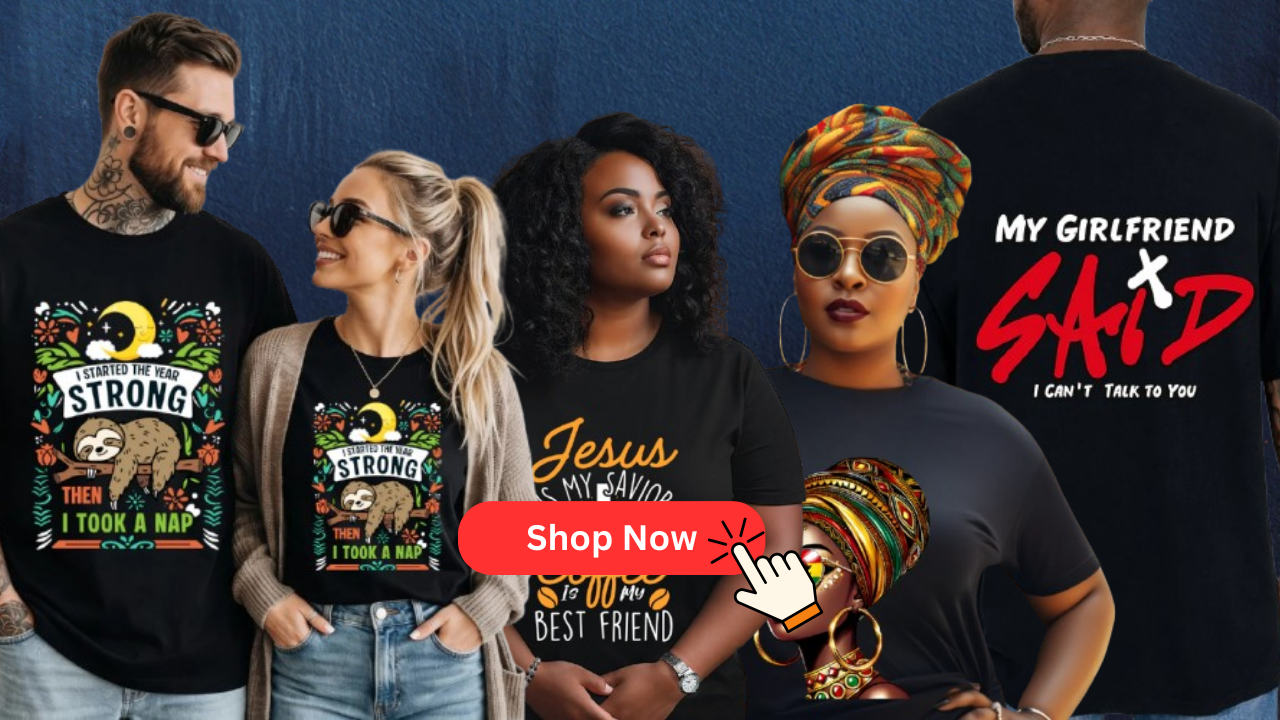
T-shirts might be the most universal and accessible tool for self expression through fashion. They are comfortable, simple, and incredibly customizable, making them ideal for turning your thoughts and personality into wearable art.
Why T-shirts are such a powerful form of personal expression:
- They’re like wearable posters: A T-shirt can display art, slogans, jokes, or powerful statements.
- They’re inclusive: T-shirts work for all body types, ages, and style preferences.
- They’re versatile: Dress them up with a blazer or down with joggers; your message stays visible.
- They’re conversation starters: The right tee can instantly connect you to like-minded people.
At Talking TShirts, this idea is central: your T-shirt should talk for you. Whether you’re expressing humor, activism, creativity, or nostalgia, a simple graphic tee can say a lot with just a few words or images.
Cultural and Social Dimensions of Style
Self expression through clothing doesn’t happen in isolation. Your style is shaped by—and can respond to—your culture, community, and social environment.
Fashion can reflect:
- Cultural heritage: Traditional patterns, fabrics, and symbols that connect you to your roots.
- Subcultures and scenes: Streetwear, punk, goth, skater, hip-hop, indie, and more, each with their own visual language.
- Social movements: Clothing supporting equality, sustainability, or political statements.
- Generational identity: The way Gen Z, Millennials, Gen X, and others use fashion to define eras and attitudes.
Because clothing is so visible, it plays a major role in how we belong, resist, or stand out. Wearing certain styles can signal alliance with a group—or a conscious choice to challenge norms.
Emotional Connections to Clothes
Fashion feels personal because it’s often tied to memories, emotions, and experiences. You might own pieces you rarely wear but never throw away because of what they represent.
Common emotional connections include:
- Sentimental value: A T-shirt from a concert, a trip, or a special event.
- Milestones: The outfit you wore on a first date, graduation, or new job.
- Comfort and security: That soft, worn-in tee that instantly makes you feel at ease.
- Transformation: Clothes that mark a change in your life or identity, such as a new style phase.
When you put on a specific piece, you’re often putting on a memory and a feeling. This is why fashion decisions can feel emotional, not just aesthetic.
Self-Expression vs. Trends: Finding Your Own Style
With social media and fast fashion, it’s easy to feel pressured to follow the latest trends. But self expression through fashion is not about copying what everyone else wears—it’s about making choices that feel authentic.
Key differences between trends and self-expression:
-
Trends:
- Driven by brands, influencers, and seasons.
- Change quickly and can feel generic.
- May not always align with your personality or values.
-
Self-expression:
- Driven by your inner world—your story, preferences, and beliefs.
- More stable over time, even as it evolves.
- Feels more meaningful and comfortable to wear.
It’s completely fine to enjoy trends, but the key is to adapt them to your own style. For example, instead of buying every trending graphic tee, choose designs and messages that genuinely resonate with you.
Building a Wardrobe That Reflects You
To make fashion feel less overwhelming and more authentic, it helps to build a wardrobe that genuinely reflects your identity. This doesn’t require designer labels or huge budgets—just intentional choices.
Steps to build a personally expressive wardrobe:
-
Define what you want your style to say.
- Do you want to appear bold, relaxed, artistic, professional, playful, or a mix?
-
Identify your go-to pieces.
- Maybe it’s T-shirts, hoodies, jeans, or sneakers—build around what you love to wear.
-
Choose colors that feel like you.
- Notice which colors you reach for naturally and feel most confident in.
-
Incorporate meaningful prints and graphics.
- Opt for designs that connect to your interests, values, or sense of humor.
-
Invest in a few “signature” items.
- This could be a favorite jacket, a rotation of Talking TShirts designs, or distinctive accessories.
The goal is to create a wardrobe where you can open your closet and think, “Everything here feels like me.”
How Talking TShirts Supports Authentic Self-Expression
Talking TShirts is designed around the belief that your clothes should tell your story. The focus is on personalized, expressive, and meaningful T-shirts that allow you to wear your identity with pride.
Ways Talking TShirts supports self-expression:
- Diverse designs: From minimal text to bold graphics, there’s room for every personality.
- Message-driven fashion: Slogans, quotes, and themes that communicate what you care about.
- Conversation-starting pieces: Tees that invite questions, smiles, and shared connections.
- Customization potential: The ability to reflect your unique thoughts, humor, and style priorities.
In a world of mass production and copy-paste trends, Talking TShirts emphasizes individuality—helping you turn everyday outfits into personal statements.
Tips for Using Fashion as a Form of Self-Expression
If you want to deepen your self expression through fashion, a few simple strategies can help you experiment and discover what feels most authentic.
Practical tips:
-
Start small but intentional.
- Begin with T-shirts and accessories that feel like clear reflections of you.
-
Use your favorite T-shirts as style anchors.
- Build outfits around the messages, colors, or graphics you love most.
-
Listen to your emotions.
- Notice how different clothes make you feel—confident, shy, powerful, playful—and lean into what feels right.
-
Mix comfort with creativity.
- You don’t need to sacrifice comfort to express yourself; choose comfortable fabrics with expressive designs.
-
Ignore outdated rules.
- There is no single “correct” way to dress. The best style rules are the ones you write for yourself.
Over time, this experimentation helps you develop a personal style language—a recognizable way of dressing that feels uniquely yours.
Why Self-Expression Through Fashion Matters Today
In a digital world where so much of identity is filtered and edited, what you wear offline and online still matters greatly. Fashion remains one of the most immediate and accessible ways to show people who you are, without needing an explanation.
Self-expression through fashion matters because:
- It supports mental well-being: Authentic self-presentation can boost self-acceptance and confidence.
- It builds community: Recognizing shared symbols, graphics, and messages creates instant connection.
- It challenges stereotypes: Personal style can defy expectations and broaden how identities are perceived.
- It celebrates individuality: Fashion gives you daily opportunities to honor what makes you unique.
Every time you choose an outfit, you’re telling the world something about yourself. That’s why it feels so personal—and why it can be so powerful.
FAQ About Self-Expression and Fashion
Is fashion really a form of self-expression?
Yes. Fashion is one of the most visible forms of personal self-expression. From subtle choices like color and fit to bold graphic T-shirts and statement pieces, your clothing constantly communicates aspects of your identity.
Why does criticism of my style feel so personal?
Because your style reflects your inner self, negative comments about your clothes can feel like criticism of your personality or values. This emotional link is part of why self expression through fashion feels so personal.
How can I make my wardrobe more “me” without buying everything new?
- Start by identifying your favorite pieces and why you love them.
- Style them in new ways: layer, accessorize, or mix unexpected items.
- Gradually add a few expressive pieces—like Talking TShirts with messages or art you truly connect with.
What makes T-shirts so popular for self-expression?
T-shirts are comfortable, affordable, and highly visible. A single tee can share your beliefs, humor, fandoms, or mood in seconds. That’s why graphic and slogan tees are such a cornerstone of modern personal style.
Can I follow trends and still be authentic?
Absolutely. The key is to choose trends that resonate with your personality, rather than adopting everything you see. Use trends as inspiration, then adapt them to fit your own unique style language.
In the end, fashion is personal because it’s about more than fabric—it’s about identity, emotion, and expression. Every Talking TShirts design, every outfit you put together, is another chapter in the story of who you are and how you choose to show up in the world.