Everyday fashion is far more than fabric and trends—it is a powerful language of self expression. The T-shirt you choose, the colors you gravitate toward, the slogans you wear across your chest: all of these choices communicate who you are, what you believe, and how you want to be seen. In a world where first impressions happen in seconds and online photos live forever, learning to use self expression in fashion is an essential skill. This article explores why self expression matters in everyday fashion, with a special focus on Talking T‑shirts, graphic tees, and customizable clothing that turns your wardrobe into a personal billboard of your identity.
What Is Self Expression in Fashion?
Self expression in fashion is the act of using clothing, accessories, colors, and styles to reflect your inner world—your personality, values, beliefs, moods, and aspirations. Instead of dressing only to “fit in” or follow trends, you dress to communicate your authentic identity.
Self expression can show up in many ways:
- Graphic T‑shirts (Talking T‑shirts) with quotes, art, slogans, or jokes
- Color choices that match your mood or energy (bold, neutral, pastel, dark)
- Styling details like layering, cuffing jeans, tucking shirts, or mixing patterns
- Accessories such as hats, jewelry, bags, and shoes that tell a story
- Custom clothing with personalized prints, names, or designs
In short, every outfit is a message. Whether you realize it or not, you are already practicing self expression through fashion—your goal is to make that expression more intentional and aligned with who you are.
The Psychology of Self Expression in Everyday Style
Psychology research consistently shows that what we wear influences not only how others see us, but also how we feel about ourselves. This is often referred to as “enclothed cognition”—the idea that clothing can affect a person’s psychological processes.
Key psychological aspects of self expressive fashion include:
- Identity affirmation: Dressing in ways that match your internal identity reinforces a stable sense of self.
- Mood regulation: Clothes can lift your spirits, calm you down, or help you feel powerful and ready.
- Social signaling: Your outfit broadcasts signals about your interests, social groups, beliefs, and even your sense of humor.
- Confidence and self‑esteem: Wearing something that feels “like you” can significantly boost confidence.
Talking T‑shirts and other expressive pieces tap into this psychology. When your T‑shirt says what you believe, it acts as a visual affirmation you carry throughout the day.
Why Self Expression Matters in Everyday Fashion
Self expression matters in everyday fashion for several interconnected reasons. It impacts your internal experience, your relationships, and even your professional and creative opportunities.
1. It Helps You Feel Authentic
- Authentic clothing choices reduce the tension between “who you are” and “how you appear.”
- When your everyday fashion reflects your true self, you feel more at ease and less self‑conscious.
- This authenticity shows up in your posture, voice, and willingness to connect with others.
2. It Improves Confidence and Self‑Worth
- Self‑expressive outfits—especially pieces like statement T‑shirts—function like wearable affirmations.
- Feeling “seen” by your own reflection can strengthen self‑respect and body positivity.
- Confidence from your wardrobe often spills into other areas: work, relationships, and creativity.
3. It Creates Instant Connection with Others
- A Talking T‑shirt with a quote, fandom reference, or social cause can become a conversation starter.
- People with similar interests will recognize your references and feel more comfortable approaching you.
- Fashion can help you naturally attract “your people” without saying a word.
4. It Resists Pressure to Conform
- Modern fashion culture can be trend‑driven and pressuring; self expression counters that pressure.
- Choosing clothes for self‑expression instead of approval is a powerful act of personal freedom.
- This mindset reduces comparison and helps you develop a strong personal style, not just a seasonal wardrobe.
5. It Turns Everyday Outfits into Creative Outlets
- Instead of seeing dressing as a chore, self expression makes it a small creative project each day.
- Talking T‑shirts, print mixing, and color blocking transform basic pieces into mini artworks.
- Creativity in your wardrobe can boost creativity in other parts of your life.
The Rise of Talking T‑Shirts: When Clothing Speaks for You
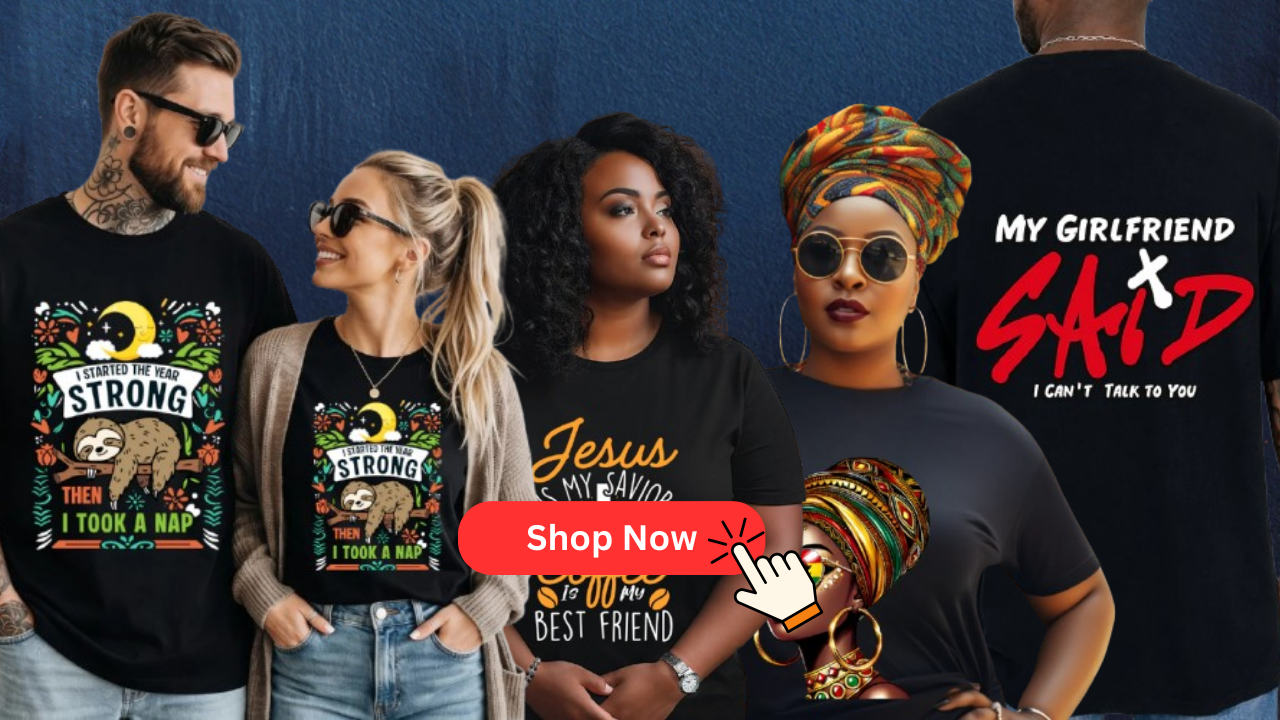
Talking T‑shirts—T‑shirts with text, graphics, slogans, or artwork that “say something”—have become a cornerstone of modern self expressive fashion. They blend comfort with communication, making them ideal for everyday wear.
Why Talking T‑Shirts Are So Popular
- Relatable messaging: Humor, sarcasm, motivational quotes, and social commentary connect with people instantly.
- Low effort, high impact: A single graphic tee can define your entire outfit and send a clear message.
- Affordable self expression: Compared to high fashion, T‑shirts are accessible, customizable, and easy to collect.
Types of Talking T‑Shirts for Self Expression
- Statement T‑shirts with bold words or phrases
- Cause‑driven T‑shirts that support charities, movements, or social awareness
- Humor and meme T‑shirts that show your playful or sarcastic side
- Art and illustration T‑shirts that express your aesthetic taste
- Custom name or logo T‑shirts that represent your personal brand, business, or creative project
Because of their visibility and simplicity, Talking T‑shirts are one of the most effective tools for everyday self expression. They fill your wardrobe with personality without requiring complex styling skills.
Key Elements of Self‑Expressive Outfits
To use everyday fashion as a tool for self expression, pay attention to the components that carry meaning.
1. Color
- Bright colors suggest energy, joy, confidence, and boldness.
- Neutrals (black, white, beige, gray) signal minimalism, sophistication, or practicality.
- Pastels can convey softness, calmness, or a romantic aesthetic.
- Dark tones can imply mystery, edge, or a more introverted mood.
2. Fit and Silhouette
- Oversized pieces may express comfort, ease, nonchalance, or streetwear influences.
- Tailored fits often suggest professionalism, precision, or formality.
- Mixed silhouettes (loose top, fitted bottom or vice versa) show a playful, balanced approach.
3. Graphics and Text
- Quotes and phrases directly show your beliefs, humor, and communication style.
- Symbols and icons (bands, brands, flags, logos) reference your interests and affiliations.
- Artistic prints reveal your taste for certain art styles: minimal, abstract, vintage, etc.
4. Fabric and Texture
- Cotton and jersey for comfort‑driven, casual self expression.
- Denim, leather, and canvas for rugged, edgy, or utilitarian aesthetics.
- Soft knits or flowing fabrics for relaxed, romantic, or cozy vibes.
5. Accessories
- Hats and caps can add attitude, humor, or subculture references.
- Jewelry can be bold and expressive or minimal and subtle.
- Bags and backpacks often hint at lifestyle: creative, corporate, sporty, or minimalist.
Combining these elements intentionally makes your everyday style more personal, expressive, and memorable.
How to Build a Self‑Expressive Wardrobe
Creating a wardrobe that truly speaks for you doesn’t require an instant overhaul. Instead, think of it as a gradual, intentional process.
Step 1: Define Your Style Identity
Ask yourself:
- What values do I want my style to express? (creativity, minimalism, activism, humor, etc.)
- Which colors feel most like “me”?
- Do I prefer clothes that feel bold or understated?
- What interests or causes do I want to highlight—music, art, gaming, fitness, sustainability, social justice?
Step 2: Start with Talking T‑Shirts and Statement Pieces
- Invest in a small collection of Talking T‑shirts that genuinely resonate with you.
- Choose messages that you are comfortable “wearing out loud” in public.
- Include a mix of:
- Inspirational quotes
- Funny or witty slogans
- Cause‑supporting or awareness messages
- Art or design‑driven graphics
Step 3: Build Around Your Core Pieces
- Pair expressive T‑shirts with versatile basics:
- Classic jeans or chinos
- Neutral jackets and hoodies
- Simple sneakers or boots
- Let the T‑shirt be the focal point of the outfit.
- Use accessories to amplify the message (e.g., a tote bag with a similar theme).
Step 4: Curate, Don’t Accumulate
- Focus on quality over quantity. A few highly expressive pieces are better than dozens you never wear.
- Regularly edit your wardrobe:
- Keep items that still reflect your current identity.
- Donate or recycle pieces that no longer feel “you.”
Step 5: Personalize and Customize
- Consider custom Talking T‑shirts with your own artwork, phrases, or branding.
- Experiment with DIY modifications:
- Cuffing sleeves
- Cropping or knotting tees
- Adding patches or pins
- Customization makes your fashion truly unique and unmistakably yours.
How Fashion Shapes Identity and Confidence
Clothing is often the first thing people notice, and that visibility can either strengthen or undermine your sense of self. When your everyday fashion aligns with your inner identity, it becomes a tool for identity construction and confidence building.
Identity: Wearing Your Story
- Fashion lets you craft a narrative about who you are and where you belong.
- Talking T‑shirts can represent chapters of your story: your favorite band, a city you love, a cause you support.
- As your identity evolves, your wardrobe can evolve with it.
Confidence: Feeling Comfortable in Your Own Skin
- Feeling “misrepresented” by your clothing often leads to discomfort and self‑doubt.
- Feeling aligned with your outfit can:
- Improve posture and body language
- Encourage eye contact and social engagement
- Boost overall self‑confidence
- Wearing your beliefs—literally—through Talking T‑shirts can help you stand firm in your values.
Self Expression at Work vs. Casual Settings
Self expression matters everywhere, but it looks different in professional environments than it does on weekends or at social gatherings.
Self Expression in Casual Everyday Fashion
- Casual settings are ideal for bold Talking T‑shirts and experimental style.
- You can freely explore:
- Bright and unconventional color combinations
- Humorous or edgy slogans
- Layering, textures, and unique accessories
Self Expression in Professional or Formal Settings
- Workplaces may have dress codes, but you can still express yourself through:
- Subtle prints or understated graphic details
- Color choices that align with your personality (ties, blouses, socks, scarves)
- Accessories like watches, jewelry, and bags
- If permitted, polished Talking T‑shirts under blazers or cardigans can balance personality with professionalism.
- The key is to respect context while retaining your individuality.
Custom Talking T‑Shirts for Personal and Brand Identity
Custom Talking T‑shirts take self expression in fashion to the next level by allowing you to design exactly what you want to say.
Personal Identity
- Create shirts with:
- Your own quotes or mantras
- Artwork you’ve drawn or commissioned
- References meaningful only to your close circle
- Wear custom tees for:
- Special events and milestones
- Group trips and reunions
- Hobbies, clubs, or interest groups
Brand and Business Identity
- For entrepreneurs and creators, Talking T‑shirts act as walking advertisements.
- Use branded T‑shirts to:
- Promote your logo, tagline, or social media handle
- Build team unity at events or trade shows
- Strengthen brand recognition in daily life
- Well‑designed, comfortable shirts become items people want to wear, extending your reach.
Sustainable and Ethical Self Expression in Fashion
Self expression in fashion is not just about what your clothes say on the outside, but also about the values embedded in how they were made. Many people now use their wardrobe to express ethical and environmental beliefs.
Why Sustainability Matters for Self Expression
- Your fashion choices can reflect care for the planet and people.
- Ethical Talking T‑shirts can align your message with your methods.
- Slow fashion and conscious consumption express responsibility and long‑term thinking.
How to Make Self Expression More Sustainable
- Choose high‑quality T‑shirts that last longer and age well.
- Look for:
- Organic or recycled fabrics
- Transparent production practices
- Local or small‑batch brands
- Customize or upcycle old shirts instead of constantly buying new ones.
Practical Tips for Daily Self‑Expressive Outfits
Bringing more self expression into your day‑to‑day fashion can be simple and enjoyable.
Daily Outfit Strategy
- Pick one focal piece (often a Talking T‑shirt or standout accessory).
- Build around it with neutral or complementary basics.
- Add one personality accessory (hat, jewelry, bag, or shoes).
- Check for comfort—if you don’t feel good physically, you won’t feel expressive emotionally.
Simple Ways to Increase Self Expression
- Rotate different Talking T‑shirts over the week to express different sides of yourself.
- Use color intentionally to match or shift your mood.
- Reserve at least one day a week (e.g., “Statement Tee Friday”) to wear something boldly expressive.
- Document outfits you love (photos, mood boards) to clarify your evolving style.
Common Mistakes to Avoid in Self‑Expressive Fashion
While exploring self expression in everyday fashion, be mindful of a few pitfalls.
-
Dressing only for external validation
- Chasing likes or compliments can pull you away from authentic style.
- Use trends as inspiration, not strict rules.
-
Wearing messages you don’t fully support
- Before buying a Talking T‑shirt, ask: “Do I really stand by this?”
- Your clothing statements can impact how others perceive your values.
-
Ignoring comfort
- Expressive fashion still needs to be wearable.
- A great message on an uncomfortable shirt will likely stay in your closet.
-
Overcomplicating every look
- Self expression does not mean maximalism every day.
- Sometimes, a single graphic tee and jeans say enough.
Future Trends: Self Expression and Fashion Technology
The future of self expressive fashion is being shaped by technology and customization.
Emerging Trends
- On‑demand printing for custom Talking T‑shirts with faster turnaround and less waste.
- Augmented reality (AR) try‑ons to preview how expressive designs look before buying.
- Wearable tech that can change color or display digital messages.
- Personalization platforms where customers co‑design their T‑shirts and apparel.
These innovations will make it even easier to create deeply personal, expressive wardrobes that evolve with your identity.
Final Thoughts: Wear Who You Are
Self expression in everyday fashion is not about perfection, luxury labels, or following every trend. It is about aligning your outer appearance with your inner self. From simple choices like color and fit to bold moves like custom Talking T‑shirts with powerful messages, your clothing can become a daily practice of authenticity.
When you treat your wardrobe as a tool for self expression, you:
- Increase your confidence and comfort in your own skin
- Send clearer signals about who you are and what you value
- Create opportunities for connection and conversation
- Transform getting dressed into a creative, meaningful ritual
Ultimately, what you wear is part of your voice. Let your everyday fashion—especially your Talking T‑shirts—speak clearly, honestly, and boldly about who you are and who you are becoming.