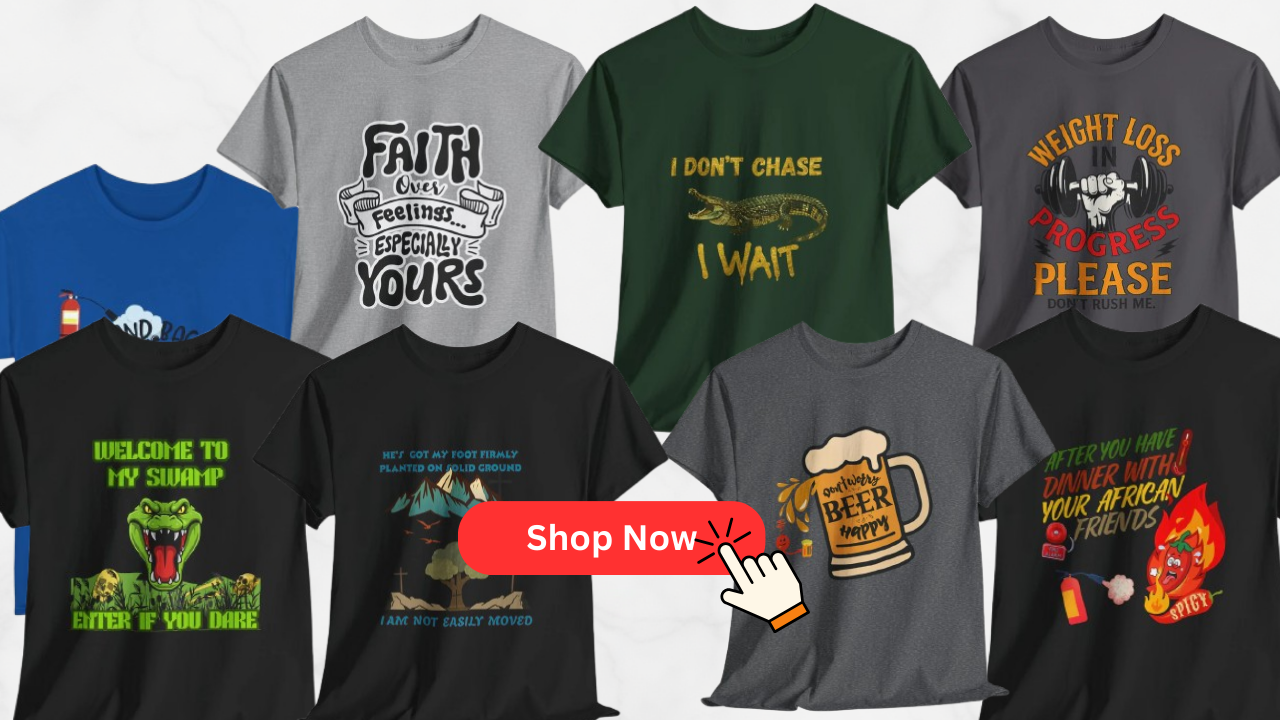
Humor-based fashion—especially funny graphic tees, witty slogan shirts, meme hoodies, and playful prints—has exploded in popularity in recent years. In a world that often feels stressful and serious, people are turning to humorous T-shirts and apparel as a way to express personality, break the ice, and bring a bit of joy into everyday life. This detailed guide explores why humor-based fashion is more popular than ever, how it connects with modern culture, and what makes a great funny T-shirt or joke-based clothing design. If you’re interested in Talking T-shirts, novelty apparel, and comedy-driven style trends, this article will help you understand the movement and how to use it in your wardrobe or fashion brand.
What Is Humor-Based Fashion?
Humor-based fashion refers to clothing and accessories that use jokes, puns, cartoons, or playful graphics as a central design element. These pieces are often called Talking T-shirts because they “speak” for the wearer with printed messages, slogans, or images.
Common examples include:
- Funny T-shirts with clever quotes, sarcasm, or one-liners
- Meme hoodies inspired by viral internet culture
- Graphic tees featuring cartoons or humorous illustrations
- Novelty socks and accessories with inside jokes or pop-culture references
- Statement sweatshirts that use humor to comment on work, relationships, or everyday life
Unlike minimalist or logo-focused fashion, humor-based apparel puts the message front and center. The core purpose isn’t just aesthetics but also expression, entertainment, and connection.
Why Humor-Based Fashion Is More Popular Than Ever
Humorous clothing has always existed, but its current popularity is tied to several cultural and technological shifts.
1. People Want Relief From Stress
- Modern life feels more intense due to news cycles, social media pressure, and economic uncertainty.
- Lighthearted apparel adds small moments of fun to ordinary routines like commuting, shopping, or working.
- Wearing a funny tee is an easy way to say, “I don’t take everything so seriously.”
2. Self-Expression Is a Priority
- Today’s consumers value individuality and authenticity over polished, corporate-looking fashion.
- A humorous shirt can communicate:
- Personality traits (sarcastic, optimistic, introverted, nerdy)
- Hobbies and interests (gaming, coffee, cats, fitness, coding)
- Beliefs and values (kindness, mental health awareness, sustainability)
- It’s an accessible form of personal branding through style.
3. Casual Dress Codes Dominate
- Remote and hybrid work have normalized casual wear, loungewear, and T-shirts as everyday outfits.
- Humorous fashion fits perfectly into:
- Work-from-home lifestyles
- Startup and tech environments with relaxed dress codes
- Weekend and leisurewear
- People can show personality in contexts where formal clothes are no longer required.
4. Affordability and Accessibility
- Printing technology and on-demand services make custom funny T-shirts more affordable than ever.
- Small brands and independent creators can launch humor-based clothing lines with low startup costs.
- Consumers can easily find designs that match very specific interests or inside jokes.
5. Cultural Shift Toward Relatability
- Overly polished, aspirational branding feels less realistic to many shoppers.
- People gravitate to brands and designs that feel:
- Relatable (“I’m tired but still funny.”)
- Self-aware (“Running on caffeine and sarcasm.”)
- Human rather than flawless
- Humor shows vulnerability and honesty, which resonates more in the age of authenticity.
The Role of Social Media and Meme Culture
Meme culture and social media platforms like Instagram, TikTok, and X (Twitter) are huge drivers behind the rise of humor-based fashion.
Viral Designs and Shareability
- Funny slogans and talking T-shirts are extremely shareable content.
- A clever design can go viral when:
- Someone posts a photo wearing it.
- It appears in a TikTok skit or Instagram Reel.
- Influencers or comedians feature it in content.
- One viral post can turn a small humor-based fashion brand into a recognized name overnight.
Memes Turn Into Clothing
- Many popular memes and internet jokes evolve into T-shirt designs almost instantly.
- Fans like owning a wearable version of:
- A trending phrase
- A reaction image or comic panel
- A playful spin on a viral moment
- This keeps humor-based fashion fresh, current, and deeply tied to digital culture.
Influencers, Creators, and Merch
- Content creators and comedians use merch lines with funny slogans to connect with audiences.
- Talking T-shirts become:
- Merchandise that reflects a creator’s sense of humor
- A way for fans to signal membership in a community
- Everyday clothing that continues the joke offline
The Psychology Behind Funny T-Shirts and Joke Apparel
Humor-based fashion isn’t just a trend; it taps into powerful psychological needs and social dynamics.
1. Humor as Social Glue
- Laughing together creates connection and trust.
- When someone smiles at your shirt, it:
- Breaks tension in social situations
- Signals shared interests or similar humor
- Opens the door to conversation
2. Mood-Boosting and Stress Relief
- Humor is linked with:
- Reduced stress
- Improved mood
- Greater resilience
- Wearing funny clothing can serve as a small but meaningful form of self-care.
- Even seeing someone else’s humorous tee can brighten your day.
3. Identity and Self-Definition
- We often define ourselves by:
- What we find funny
- The jokes we repeat
- The subcultures we belong to
- Humor-based fashion lets people visually broadcast:
- “I’m a gamer.”
- “I’m a cat person.”
- “I love dad jokes and puns.”
- “I’m into retro cartoons or classic movies.”
4. Gentle Rebellion and Subversion
- Humorous clothing can offer a safe way to:
- Challenge norms (office culture, rigid gender roles, expectations)
- Mock stressors like Monday mornings or endless Zoom calls
- Playfully resist pressure to be serious all the time
- This gives the wearer a sense of agency and control.
Talking T-Shirts as Conversation Starters
One of the strongest reasons Talking T-shirts are more popular than ever is that they function as instant conversation starters.
- They help introverts break the ice without forcing small talk.
- They attract like-minded people who share your sense of humor.
- They reduce awkwardness in:
- New workplaces
- College campuses
- Social gatherings, meetups, and conventions
In an age where more interaction starts online and many people feel socially rusty, humor-based clothing makes offline interaction easier and more natural.
Types of Humor in Fashion and Graphic Tees
Not all humorous apparel is the same. Understanding different humor styles helps brands and buyers choose the right tone.
1. Wordplay and Puns
- Light, clever, and usually family-friendly.
- Popular in:
- Coffee and food-related T-shirts
- Animal and pet humor (“purr-fect,” “pawsitive vibes”)
- Bookish or nerdy fashion (“Read it and weep”)
2. Sarcasm and Dry Humor
- Edgier, often using contrast between text and reality.
- Common phrases:
- “I’m not arguing, I’m just explaining why I’m right.”
- “Socially awkward but trying my best.”
- Appeals to people who enjoy self-deprecating or ironic style.
3. Meme and Internet Culture
- References to:
- Viral jokes
- Reaction images
- Gaming moments
- Works best when the audience is:
- Digitally savvy
- Part of the same online communities
4. Niche and Fandom Humor
- Inside jokes about:
- Specific TV shows or movies
- Sports teams
- Professions (nurses, teachers, programmers, designers)
- Creates a strong sense of belonging within a niche group.
5. Wholesome and Uplifting Humor
- Gentle jokes paired with positive messages.
- Popular for:
- Mental health awareness
- Kindness-focused campaigns
- Family-oriented apparel
6. Dark or Edgy Humor (Used Carefully)
- Pushes boundaries and may not appeal to everyone.
- Important for brands to:
- Know their audience well
- Avoid hate speech or harmful stereotypes
- Balance freedom of expression with responsibility
Who Wears Humor-Based Fashion?
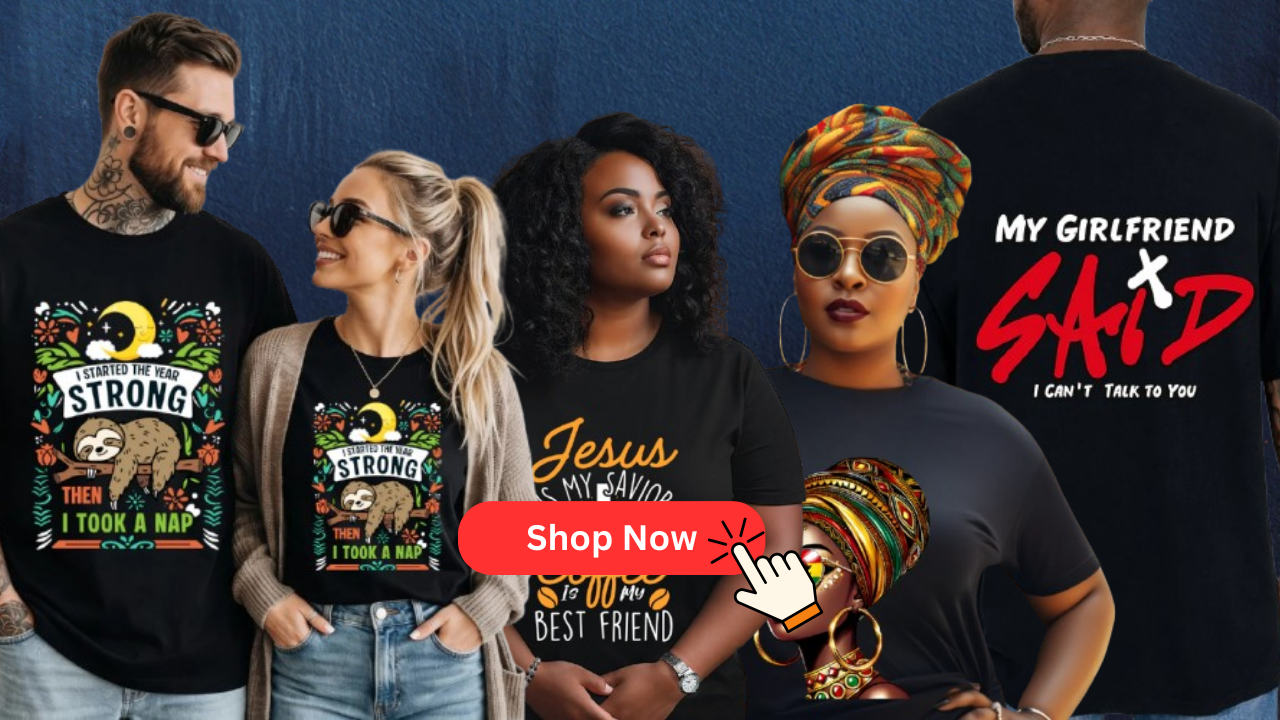
Humor-based apparel is not restricted to any one demographic. Its broad appeal is part of why it’s so popular.
-
Teens and students:
- Use funny T-shirts to stand out at school or college.
- Love meme-inspired hoodies and internet jokes.
-
Young professionals:
- Wear witty shirts during remote meetings or casual Fridays.
- Enjoy self-aware humor about work, coffee, and burnout.
-
Parents and families:
- Buy matching joke T-shirts for trips or holidays.
- Use playful slogans about parenting, pets, or home life.
-
Niche communities:
- Gamers, coders, athletes, artists, and hobbyists love clothing that references their world.
-
Older adults:
- Often enjoy classic one-liners, dad jokes, and retro humor.
The universality of laughter means humor-based fashion can appeal to nearly any audience when designed thoughtfully.
How Fashion Brands Use Humor to Stand Out
For clothing brands, especially online stores selling Talking T-shirts and novelty apparel, humor is a powerful differentiation tool.
Brand Personality
- Humorous designs help brands appear more:
- Approachable
- Human
- Memorable
- A clearly defined humor style can become a brand signature.
Stronger Customer Loyalty
- If someone laughs out loud at a design, they’re more likely to:
- Remember the brand
- Share the product with friends
- Return to buy more funny shirts or hoodies
- Humor fosters emotional connection, which increases loyalty.
Word-of-Mouth and Organic Marketing
- Customers naturally show off humorous T-shirts on:
- Social media
- Video calls
- Everyday outings
- Each wear becomes a free advertisement and conversation about the brand.
SEO and Content Strategy
- Brands can publish content around:
- funny T-shirt ideas
- best sarcastic slogan tees
- humor-based fashion trends
- Targeting keywords like:
- “funny graphic tees”
- “Talking T-shirts for introverts”
- “meme T-shirts for gamers”
- This improves search engine visibility and brings in engaged traffic.
Designing Effective Humor-Based T-Shirts
Successful humor-based fashion balances clarity, timing, and design quality. Whether you’re a brand or a designer, consider these factors.
1. Clarity of Message
- The joke should be:
- Easy to read from a short distance
- Understandable without long explanations
- Free of confusing design clutter
- Use clean typography and high contrast between text and background.
2. Relevance to the Audience
- Know:
- Who you’re designing for
- What they find funny
- Which references they will recognize
- Examples:
- Tech workers: coding jokes, bug fixes, coffee.
- Teachers: classroom humor, grading, kids’ quotes.
- Pet owners: cats, dogs, rescue stories, pet puns.
3. Visual Hierarchy
- Make sure the eye is drawn to:
- The key punchline or central graphic
- Supporting elements only after the main joke is clear
- Use:
- Bold fonts for main text
- Simpler fonts for subtext or captions
- Limited color palettes for better readability
4. Quality of Fabric and Print
- Customers return to brands that combine:
- Soft, comfortable materials
- Durable printing that doesn’t crack or fade quickly
- Even the funniest graphic tee loses impact if it looks worn out after two washes.
5. Ethical and Inclusive Humor
- Avoid jokes that:
- Insult specific groups
- Promote harmful stereotypes
- Encourage bullying or hate
- Focus on:
- Self-deprecating humor
- Shared everyday frustrations
- Light-hearted observations
- Inclusive humor-based fashion reaches more people and avoids reputational damage.
6. SEO Considerations for Product Listings
- Use descriptive product titles such as:
- “Funny Coffee Lover T-Shirt – Caffeine and Sarcasm Graphic Tee”
- “Talking T-Shirt for Introverts – ‘Let’s Not Talk’ Slogan Shirt”
- Include keywords naturally in:
- Product descriptions
- Alt text for images
- Meta descriptions
- Highlight benefits: comfort, fit, print quality, and gifting potential.
How to Style Humor-Based Clothing in Everyday Outfits
Humor-based fashion can be both fun and stylish. The key is balance.
Casual Everyday Looks
- Pair a funny T-shirt with:
- Jeans and sneakers
- Denim or bomber jackets
- Casual shorts for warmer days
- Keep other pieces simple so the shirt remains the focal point.
Smart-Casual Combinations
- Layer a humorous tee under:
- A blazer
- A structured cardigan
- An open button-down shirt
- Choose more subtle designs for semi-professional environments.
Statement Outfits
- For festivals, conventions, or parties:
- Combine bold graphic tees with colorful accessories.
- Stack with interesting jackets, hats, or statement sneakers.
- Layer multiple humorous elements, but keep the main joke clear.
Work-From-Home and Video Calls
- Choose office-appropriate humor:
- Light jokes about meetings or coffee
- Friendly, non-offensive slogans
- Remember your T-shirt will often be seen only from the chest up—place the main design accordingly.
Benefits of Humor-Based Fashion for E‑Commerce Brands
Online stores selling funny T-shirts, graphic hoodies, and humorous apparel can leverage several advantages.
High Engagement Rates
- Humorous products encourage:
- Shares on social media
- Comments and tagging friends
- Saves and wish lists for gifting ideas
Repeat Purchases
- Customers rarely stop at one funny tee.
- They often:
- Collect different slogans
- Buy seasonal or event-specific jokes
- Order gifts for friends and family
Strong Gifting Potential
- Humor-based fashion is perfect for:
- Birthdays
- Holidays
- Work events and secret Santa
- People enjoy giving personalized, funny, and relatable gifts.
SEO Opportunities
- Humorous clothing naturally aligns with many high-intent searches such as:
- “funny T-shirts for dad”
- “sarcastic shirts for coworkers”
- “introvert talking T-shirt”
- “cute pun hoodie for cat lovers”
- Creating category pages and blog posts around these search terms can significantly improve visibility.
The Future of Humor in Fashion
Given cultural trends and digital behavior, humor in fashion is likely to become even more sophisticated and personalized.
Customization and Personalization
- On-demand printing allows:
- Custom names and inside jokes
- Location-specific humor
- Event-based designs created in real time
- Consumers will expect more personalized funny T-shirts tailored to their lives.
AR, VR, and Digital Fashion
- Augmented reality could allow:
- Interactive or animated jokes when scanned by a phone
- Digital wardrobes with humorous skins and outfits in virtual spaces
More Conscious and Positive Humor
- As awareness of mental health and inclusivity grows:
- Brands may focus on uplifting, supportive, and kind humor.
- Negative or offensive jokes will likely become less acceptable.
- Empathetic humor-based fashion will stand out.
Tips for Buyers: Choosing the Right Funny T-Shirt
If you’re shopping for humor-based clothing, use these quick tips to pick pieces you’ll actually wear and love.
-
Check the Fit and Fabric
- Look for soft cotton or blended fabrics.
- Choose a cut (unisex, fitted, oversized) that matches your style.
-
Read the Room
- Pick different humor levels for:
- Work vs. weekends
- Family gatherings vs. nights out
- Pick different humor levels for:
-
Reflect Your Real Personality
- Choose designs that genuinely match your sense of humor, not just what’s trending.
-
Aim for Timeless Jokes
- Some memes fade fast. Balance trend-based jokes with more timeless humor.
-
Support Ethical and Creative Brands
- Look for:
- Original designs, not stolen artwork
- Transparent production practices
- Look for:
Conclusion: Why We Need Talking T-Shirts Now More Than Ever
Humor-based fashion and Talking T-shirts are thriving because they do far more than decorate our closets. They help us:
- Express who we are in an honest, relatable way
- Cope with stress and uncertainty through laughter
- Connect with people who share our interests and sense of humor
- Bring joy into ordinary moments—whether online or offline
As casual dress codes, social media, and meme culture continue to shape how we present ourselves, the demand for funny T-shirts, witty graphic tees, and humor-based apparel will only keep growing. Whether you’re building a wardrobe or building a brand, understanding the power of humor in fashion is essential.
In a world that often feels heavy, a simple joke printed on a soft cotton tee can become a small act of optimism—and that’s exactly why humor-based fashion is more popular than ever.