Fashion speaks before we say a word. From a simple graphic tee to a carefully tailored suit, what we wear tells a story about who we are, where we come from, and how we want the world to see us. In the world of Talking T-Shirts, this idea becomes crystal clear: clothing isn’t just fabric—it’s a powerful visual language that everyone, everywhere, can understand. In this detailed guide, we’ll explore why fashion is a universal language, how t-shirts communicate messages, and how you can use your wardrobe to express identity, values, and creativity in a way that transcends spoken words.
What Does It Mean That Fashion Is a Language?
When we say fashion is a language everyone understands, we mean that clothing works like a system of signs and symbols. Just like words form sentences, colors, cuts, fabrics, and prints come together to deliver a message.
Think about how you react when you see:
- A person in a crisp white shirt and blazer
- Someone in ripped jeans, an oversized hoodie, and sneakers
- A bold graphic T-shirt with a strong slogan or artwork
Without speaking to them, you probably form quick impressions about:
- Their mood
- Their profession or lifestyle
- Their interests or values
That’s the language of fashion in action. It’s a visual shortcut that allows people to “read” each other at a glance, regardless of spoken language or nationality.
How Fashion Communicates Without Words
Fashion communicates on several levels. From a basic t-shirt to a luxury gown, everything you wear sends cues. Here are the key ways fashion works as a universal language:
-
Color
- Black often suggests elegance, seriousness, or minimalism.
- Red can signal energy, passion, or confidence.
- White often represents simplicity, purity, or freshness.
- Bright colors can suggest playfulness or creativity.
-
Silhouette and Fit
- Tailored fits can signal professionalism and structure.
- Oversized pieces often communicate comfort, ease, or a streetwear aesthetic.
-
Fabric and Texture
- Cotton t-shirts feel casual and accessible.
- Leather can suggest boldness or attitude.
- Silk or satin often reads as luxurious or special-occasion wear.
-
Graphics and Symbols
- Logos, icons, and artwork carry cultural meanings.
- Talking T-shirts with text deliver direct, verbal-style messages that anyone can read.
When combined, these elements become a powerful, non-verbal communication tool that works across borders, age groups, and cultures. Even if we interpret details differently, we all understand that clothes are meaningful.
The Unique Power of Talking T-Shirts
Among all clothing items, the t-shirt is one of the strongest tools in the fashion language toolbox. A t-shirt is like a wearable billboard—simple in shape, but limitless in message.
Talking T-Shirts take this one step further by turning everyday casual wear into a clear form of self-expression.
-
Why t-shirts speak so loudly:
- They’re worn by people of all ages and backgrounds.
- The large front and back surfaces are perfect for graphics, slogans, and typography.
- They are visible in public spaces, social media posts, and group settings.
- They can be funny, political, emotional, artistic, or minimal.
-
What Talking T-Shirts can express:
- Personality – “Introvert but willing to discuss dogs.”
- Beliefs and values – environmental slogans, motivational quotes.
- Fandoms and interests – music bands, games, movies, sports teams.
- Identity – cultural pride, communities, movements.
This direct, readable approach is part of why fashion as communication is so visible in the t-shirt space. Anyone can understand the message printed on a chest, even if they don’t know the person wearing it.
Fashion, Culture, and Identity
Fashion is not only personal—it’s deeply connected to culture and identity. Around the globe, clothing styles, patterns, and garments carry cultural meaning that others can often recognize, even from a distance.
-
Cultural Clothing
- Traditional garments (saris, kimonos, kilts, abayas, etc.) signal cultural heritage.
- Patterns and textiles can represent regions, tribes, or historical stories.
-
Subcultures and Communities
- Streetwear, punk, goth, skater, hip-hop, and more have recognizable fashion codes.
- Wearing certain styles or prints can signal belonging to a specific community.
-
Talking T-Shirts and Identity
- Printed flags, slogans, or phrases can show cultural pride or solidarity.
- Language on a shirt can highlight bilingual identity or heritage.
In all these cases, fashion works as a visual identity card. It’s one of the quickest ways to show where you feel you belong, what you stand for, and what you celebrate.
The Psychology Behind What We Wear
The power of fashion as a language is backed by psychology. Researchers have explored how clothing affects both how others see us and how we see ourselves.
-
First Impressions
- People form opinions within seconds, often based on clothing.
- We use outfits as shortcuts to guess confidence, professionalism, creativity, and status.
-
Enclothed Cognition
- This concept describes how what we wear can affect our own behavior and mindset.
- Wearing a t-shirt with a motivational quote can make you feel more inspired or bold.
- Putting on a specific “work shirt” or “gym top” can shift your mental state into focus or action mode.
-
Emotional Expression
- We often choose clothes to match our mood—or to change it.
- Talking T-Shirts that say “Good Vibes Only” or “Not Today” are literal emotional statements.
This psychological dimension explains why fashion feels so personal and powerful. When we dress, we’re not just covering our bodies—we’re actively shaping how we’re perceived and how we feel.
Fashion as a Digital Language in the Social Media Era
With the rise of social media, the language of fashion has become even more global and instant. Outfits are no longer only for the street—they’re for the feed.
-
Outfit of the Day (OOTD)
- People share daily outfits as a way of telling visual stories.
- Followers “read” these images and connect with styles that feel relatable or aspirational.
-
Hashtags and Trends
- Tags like #streetwear, #graphictee, or #talkingtshirt create communities around shared aesthetics.
- Trends can spread worldwide in seconds, synchronizing fashion language across continents.
-
Memes and Viral T-Shirts
- Viral phrases often jump from the internet to t-shirts.
- A Talking T-Shirt can turn an online joke, quote, or statement into a tangible, wearable meme.
In the digital age, fashion isn’t just a silent language—it’s a language amplified by photos, videos, and shares. Your t-shirt can “speak” to thousands, even if you never meet them face to face.
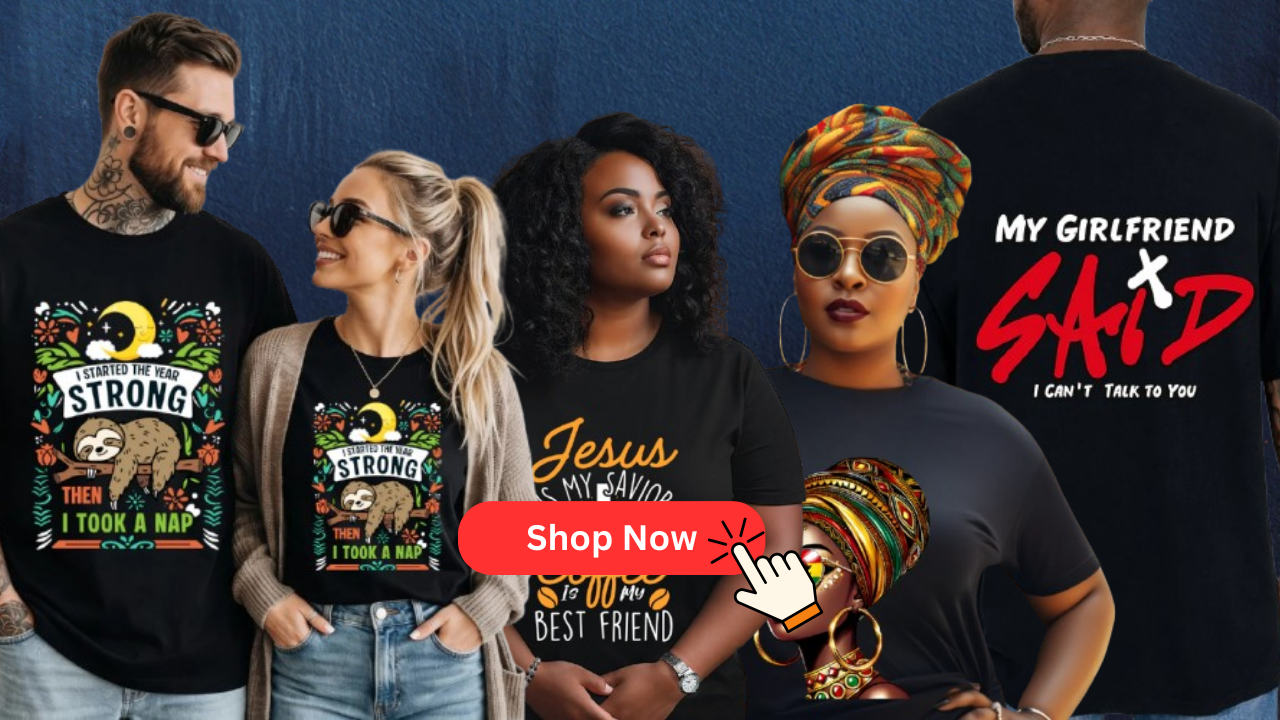
Streetwear, Graphic Tees, and Everyday Storytelling
Streetwear and graphic t-shirts play a huge role in modern fashion language. They are the everyday uniform of self-expression for many people around the world.
-
Why streetwear is such a strong language:
- Rooted in music, skate culture, and urban life, it carries a sense of authenticity.
- Logos and graphics are bold, instantly recognizable symbols.
- Collaboration drops (artists, brands, designers) create limited-edition “statements.”
-
Graphic tee storytelling:
- Band t-shirts communicate music taste and era.
- Art prints highlight your aesthetic preferences.
- Cartoon characters or retro designs signal nostalgia or humor.
Every Talking T-Shirt in your wardrobe is a chapter in your personal style story. When you choose one for the day, you’re deciding what you want that chapter to say.
Fashion as a Personal Brand Statement
Branding isn’t just for companies. In a world where everyone has a profile, a presence, and a voice, your clothing becomes part of your personal brand.
-
Consistency
- Wearing similar colors, fits, or themes builds a recognizable style identity.
- People start to associate certain looks with who you are.
-
Message Alignment
- Your t-shirts and outfits can reinforce what you talk about or care about.
- For example, an eco-conscious person may wear sustainable fabrics and eco-themed Talking T-Shirts.
-
Professional and Creative Image
- In creative fields, graphic tees and bold fashion often signal innovation and originality.
- In more formal settings, a clean, minimal tee under a blazer can show modern professionalism.
By thinking of fashion as part of your personal communication strategy, you can use it intentionally to support your goals, identity, and message.
Slogans, Messages, and T-Shirt Typography
While all clothing “speaks,” Talking T-Shirts with slogans speak the loudest and clearest. They combine visual design with literal language, making them one of the most direct forms of fashion communication.
-
Types of messages on Talking T-Shirts:
- Motivational quotes – “Believe in yourself,” “Do more of what makes you happy.”
- Humorous lines – clever one-liners, puns, sarcastic remarks.
- Political or social statements – activism, awareness, causes.
- Personal declarations – “Proud introvert,” “Dog mom,” “Gamer at heart.”
-
Role of typography and design:
- Bold fonts make messages feel strong and confident.
- Handwritten styles can feel personal and artistic.
- Color contrast ensures the words are easy to read from a distance.
Because messages on t-shirts are so visible and shareable, they’re a powerful way to make sure your fashion “language” is understood instantly.
How to “Speak” Fashion Intentionally
Using fashion consciously means treating your wardrobe like a toolkit for self-expression. Here’s how to make your outfits and Talking T-Shirts work for you.
-
Define the message you want to send
- Do you want to look approachable, bold, creative, minimal, or playful?
- What personal values or interests do you want your clothes to reflect?
-
Choose key signature pieces
- Pick a few Talking T-Shirts that sum up your personality or beliefs.
- Use them as anchor pieces for different outfits.
-
Play with color language
- Use bright colors when you want to stand out or feel energized.
- Lean into neutrals when you want to create a calm, minimal vibe.
-
Balance simplicity and statement
- Let one item do the talking—such as a bold slogan tee—with simpler pieces around it.
- This keeps your message clear and your outfit visually balanced.
-
Adapt your fashion language to context
- Use softer or subtler messages in professional settings.
- Go louder with graphics and text for casual outings, festivals, or social events.
By making deliberate choices, you turn everyday dressing into a conscious act of communication instead of a rushed afterthought.
The Future: Smart Clothing and Evolving Fashion Language
The language of fashion continues to evolve with technology. The next wave of expression is emerging through smart clothing and innovative fabrics.
-
Interactive and digital garments
- LED-embedded clothing that can change text or color.
- QR codes printed on t-shirts that link to websites, portfolios, or social causes.
-
Sustainable fashion statements
- Materials and labels that highlight eco-friendly production.
- Slogans that raise awareness about sustainability and ethical fashion.
-
Augmented reality (AR) and virtual fashion
- Digital outfits for avatars in virtual spaces and games.
- AR filters that overlay graphics on clothing in photos or videos.
As these technologies become mainstream, Talking T-Shirts and fashion language will become even more dynamic, customizable, and globally connected.
Practical Tips for Choosing Talking T-Shirts
If you want to make fashion’s universal language work for you, your t-shirt collection is the best place to start. Here’s how to choose the right Talking T-Shirts for your wardrobe.
-
Pick messages that genuinely represent you
- Avoid wearing slogans you don’t fully agree with, just because they’re trendy.
- Choose quotes, jokes, or causes that feel authentic.
-
Consider versatility
- Neutral colors (black, white, gray, navy) are easy to style with many outfits.
- One standout design is often more impactful than many busy ones at once.
-
Focus on quality
- Good cotton or blends make your t-shirt comfortable and long-lasting.
- High-quality printing ensures the message and artwork stay sharp after many washes.
-
Think about readability
- Make sure the text is large enough to be read from a natural distance.
- Use strong contrast between text color and shirt color.
-
Match your environment
- Choose softer, neutral messages for workplaces or formal events.
- Reserve bold, provocative, or humorous slogans for casual or social scenarios.
When thoughtfully chosen, your Talking T-Shirts become a powerful way to express yourself confidently and clearly every single day.
Conclusion: Your Wardrobe Is Your Everyday Voice
Fashion truly is a language everyone understands. From color and silhouette to logos and slogans, every choice you make is a sentence in an ongoing story about you. In that story, Talking T-Shirts are some of the clearest, boldest lines—direct messages that cross borders, languages, and backgrounds.
By recognizing clothing as communication, you can stop seeing outfits as random and start using them as intentional tools of self-expression, identity, and connection. Whether you favor minimalist basics or powerful printed tees, your fashion is already speaking. The real question is: what do you want it to say?