Clothing does far more than simply cover our bodies. Every T-shirt you pull on, every color you choose, and every slogan you display sends subtle (and sometimes very loud) messages about who you are and what you stand for. From ethical fashion choices and eco-friendly fabrics to bold graphic tees and minimalist wardrobes, your clothing communicates your values long before you say a word. Understanding what your clothing says about your values can help you dress with intention, express yourself authentically, and even start meaningful conversations with the world around you.
1. How Clothing Reflects Your Personal Values
The idea that clothing reflects your values is not just a fashion cliché. Psychologists and sociologists have long studied how what we wear influences both how others see us and how we see ourselves. Whether you favor bold graphic tees, minimalist basics, or statement pieces from indie designers, your fashion choices signal your priorities and beliefs.
Key ways your clothing expresses your values include:
- Identity and beliefs: Slogans, symbols, and color choices can reflect your political, social, or spiritual values.
- Lifestyle priorities: Athleisure, workwear, or laid-back casual outfits showcase what kind of life you lead or want to lead.
- Ethical stance: Choosing sustainable, fair trade, or second-hand clothing signals concern about the environment and workers’ rights.
- Attitude toward consumption: A packed closet of fast-fashion items versus a small, curated wardrobe of quality basics says a lot about your stance on consumerism.
- Self-respect and self-care: Fit, cleanliness, and comfort express how much value you place on your own well-being.
When you understand that your outfit is a form of nonverbal communication, you can start to align your style with your values intentionally rather than dressing on autopilot.
2. Talking T-Shirts: How Graphic Tees Communicate Your Identity
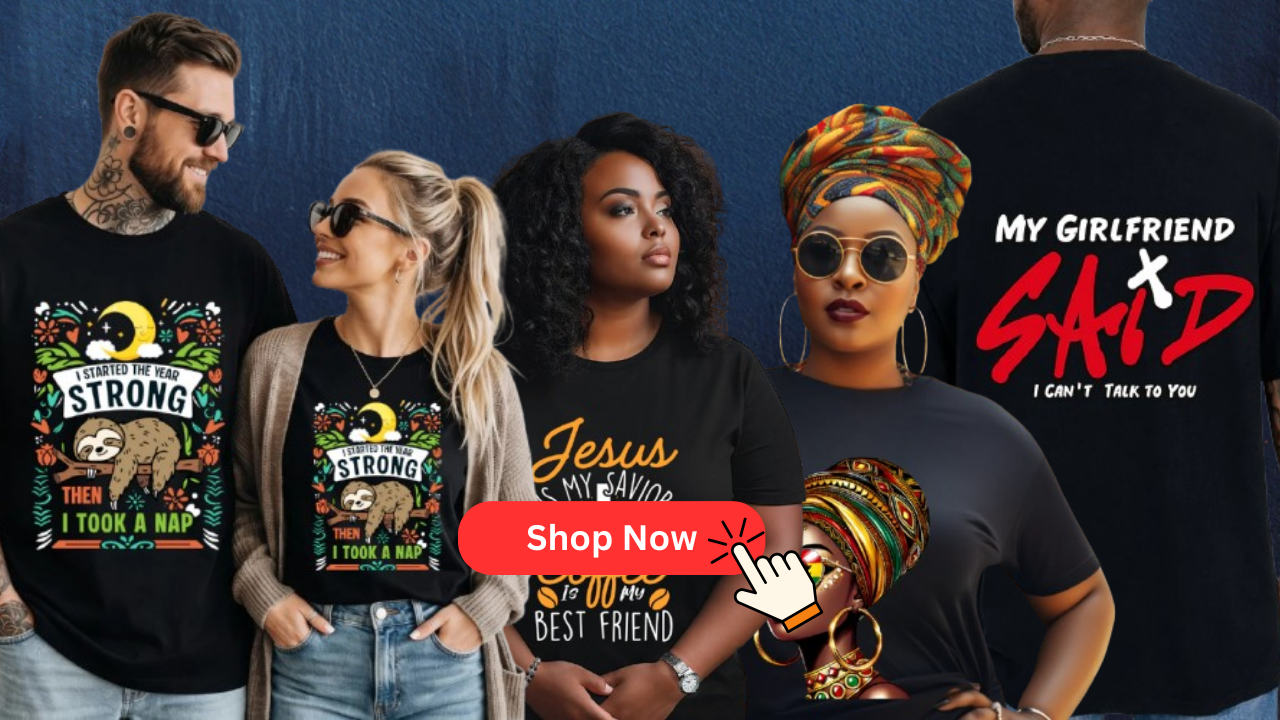
Talking T-shirts, or graphic tees with messages, slogans, and images, are one of the clearest examples of how clothing expresses values. A T-shirt is a wearable billboard: it can celebrate your beliefs, share your humor, support a cause, or challenge the status quo.
2.1 What Your Graphic Tees Say About You
- Cause-based T-shirts: Shirts supporting social justice, climate action, mental health awareness, or charity organizations show that you value advocacy and activism.
- Humor and satire tees: Sarcastic or witty slogans indicate you value humor, playfulness, or a non-serious approach to life.
- Music, movies, and fandom shirts: Band tees or movie graphics highlight the cultural communities and creative work you connect with.
- Inspirational quote T-shirts: Motivational sayings can reveal a growth mindset, positivity, or personal philosophy.
- Local pride and small business tees: Shirts representing your city, local events, or independent brands show you value community and supporting local economies.
2.2 Why Talking T-Shirts Are So Powerful
The impact of a talking T-shirt comes from its visibility and simplicity. Without speaking, you can:
- Start conversations with like-minded people who recognize your message or reference.
- Signal group identity at events, protests, festivals, or within subcultures.
- Educate and raise awareness about issues others may not have considered.
- Set the tone for how approachable, serious, playful, or bold you appear.
For people building a personal brand or a socially conscious wardrobe, selecting or designing talking T-shirts that align with your core values is one of the easiest ways to ensure your clothing consistently reflects what matters to you.
3. Ethics and Sustainability: What Your Clothing Says About Social Responsibility
Your wardrobe can speak volumes about how much you value ethical fashion and sustainable clothing. In an age where the environmental and human costs of fast fashion are widely documented, your choices send a clear message about your stance on social responsibility.
3.1 Ethical Values Reflected in Clothing Choices
- Eco-friendly materials: Choosing organic cotton, hemp, bamboo, Tencel, or recycled fibers shows concern for environmental impact.
- Fair trade and living wages: Supporting brands that pay fair wages and maintain safe working conditions signals that you care about workers’ rights and ethical supply chains.
- Low-waste and circular fashion: Wearing second-hand, thrifted, upcycled, or rental clothing demonstrates a commitment to reducing waste and extending garment life.
- Longevity over trends: Investing in timeless, durable pieces rather than trend-driven fast fashion reflects a value for longevity, quality, and intentional consumption.
3.2 Visible vs. Invisible Values
Some ethical fashion choices are obvious—like a T-shirt printed with “Support Fair Wages” or a tote bag from a well-known sustainable brand. Others are less visible but still powerful:
- Choosing to buy less and wear more, repeating outfits and resisting new trends.
- Repairing, tailoring, or customizing clothing to extend its lifespan.
- Opting for timeless basics that work across seasons rather than disposable trend pieces.
Even if people do not know the backstory of every item you wear, your consistent style and the brands you support will gradually communicate that you value responsible, conscious fashion.
4. Minimalism vs. Consumerism: Quantity, Quality, and Your Wardrobe
The size and diversity of your wardrobe can reveal your approach to minimalism, simplicity, and consumer culture. Closets overflowing with clothing you rarely wear tell a different story than a small collection of well-loved pieces.
4.1 What a Minimalist Wardrobe Signals
A minimalist or capsule wardrobe often communicates:
- Intentional living: You prefer to own fewer, more meaningful items rather than accumulate things you do not use.
- Quality over quantity: You value durability, comfort, and fit instead of constantly chasing trends.
- Clarity and focus: A smaller wardrobe can reflect a desire for mental and visual simplicity.
- Environmental consciousness: Reduced consumption typically goes hand-in-hand with sustainability values.
4.2 What Trend-Driven, High-Turnover Wardrobes Suggest
A closet constantly refreshed with the latest styles may suggest:
- Experimentation and self-expression: You love using fashion as a creative outlet.
- Social awareness: You stay up to date with current trends and cultural conversations.
- Status and image focus: You might place importance on presenting a polished or fashionable image.
Neither approach is automatically “better,” but both communicate specific values. The key is to choose consciously which message you want your clothing to send about your relationship with consumption.
5. Cultural, Social, and Political Signals in Your Style
Clothing is deeply tied to culture, identity, and social values. From traditional garments and religious symbols to political slogans and protest T-shirts, what you wear can instantly communicate the communities and causes you align with.
5.1 Cultural Identity in Clothing
Examples of how clothing expresses cultural values include:
- Traditional or heritage clothing: Wearing cultural garments at events, holidays, or even daily life shows pride in your roots and respect for your heritage.
- Patterns and textiles: Specific weaves, prints, or handcrafted details can reference regional or indigenous traditions.
- Symbolic accessories: Jewelry, headwear, or scarves with cultural significance communicate identity and belonging.
5.2 Political and Social Messages
Clothing can also be a tool of visible activism. A single T-shirt can support a protest, amplify a cause, or challenge a norm:
- Protest and movement T-shirts: Shirts featuring slogans tied to civil rights, climate justice, or equality show a clear commitment to those issues.
- Inclusive and diversity-positive clothing: Apparel that celebrates diversity, body positivity, or LGBTQ+ pride reveals a value for inclusion and acceptance.
- Silence as a statement: In some contexts, choosing not to wear certain items or colors is itself a political or social statement.
Whether subtle or unmistakable, these clothing choices send a continuous message about the communities and causes you stand with.
6. Workwear: What Your Outfit Says About Your Professional Values
In the workplace, your clothing becomes a statement of your professional values. Even in casual or remote work settings, what you wear can influence how colleagues, clients, and managers perceive your reliability, creativity, or authority.
6.1 Formal vs. Casual Workwear
- Formal, tailored attire: Suits, blazers, classic shirts, and structured dresses often signal professionalism, seriousness, and respect for traditional norms.
- Smart casual outfits: Neat jeans, polos, smart blouses, and clean sneakers convey approachability, modernity, and flexibility.
- Highly casual or expressive attire: Graphic tees, bold colors, and unconventional styles can signal creativity, innovation, or a non-hierarchical culture—especially in creative or tech industries.
6.2 Values Communicated Through Professional Clothing
Your work outfits can imply that you value:
- Competence and reliability (well-fitted, clean, organized outfits).
- Individuality and innovation (unique pieces, color accents, or statement accessories).
- Comfort and well-being (practical shoes, breathable fabrics, ergonomic fits).
- Company culture and respect (aligning your style with written or unwritten dress codes).
By thinking carefully about your work wardrobe, you can ensure your clothing reinforces the professional reputation and values you want to project.
7. Comfort, Fit, and Self-Care: Clothing as a Statement of Self-Respect
One of the most overlooked aspects of what your clothing says about your values is comfort and fit. Clothing that supports your body, rather than fights it, reflects how much you value your own health, happiness, and self-respect.
7.1 What Comfortable Clothing Communicates
Prioritizing comfort can signal:
- Self-acceptance: You choose clothes that fit your body as it is, rather than forcing it into unrealistic standards.
- Practicality: You value being able to move, work, and live freely over maintaining a rigid image.
- Health and well-being: Breathable fabrics, supportive shoes, and appropriate layers show you prioritize your physical comfort.
7.2 The Role of Fit and Maintenance
Well-fitted, well-maintained garments signal:
- Attention to detail: You care about how you present yourself and how your clothing functions.
- Self-respect: Clean, ironed, and cared-for clothes indicate you value yourself enough to invest time in your appearance.
- Consistency: A consistently put-together look shows reliability and personal standards.
Whether you prefer cozy loungewear, sharp tailoring, or a mix of both, the attention you give to fit, fabric, and care clearly reflects your values around self-care and self-worth.
8. Color Psychology: What Your Color Choices Communicate
Colors carry strong psychological and cultural associations. The colors in your wardrobe help shape what your clothing says about your values and personality.
8.1 Common Color Meanings
- Black: Often associated with sophistication, strength, authority, and sometimes minimalism.
- White: Signals simplicity, cleanliness, purity, and fresh starts.
- Blue: Linked to trust, calmness, stability, and reliability—common in professional settings.
- Red: Conveys energy, passion, confidence, and sometimes boldness or defiance.
- Green: Connected with nature, growth, balance, and sustainability.
- Yellow or orange: Suggest optimism, creativity, and openness.
- Neutrals (beige, gray, navy): Indicate subtlety, flexibility, and timelessness.
8.2 Value-Based Color Choices
Certain color patterns can indicate specific values:
- Monochrome wardrobes: Can show a preference for simplicity, control, and efficiency.
- Bright, varied colors: May express playfulness, openness, and creative energy.
- Earth tones and naturals: Often signal a connection to nature, grounding, and eco-consciousness.
While color meanings are not universal, your consistent color choices do help shape the emotional tone of the values your clothing communicates.
9. Brand Loyalty and Logos: The Values Behind Your Labels
Logos, brand names, and signature designs also say a lot about your values. Choosing visible branded clothing—especially when it comes to T-shirts, hoodies, and caps—signals that you align with certain brand identities and lifestyles.
9.1 What Logo-Heavy Outfits Communicate
- Status and aspiration: High-end brand logos often represent success, luxury, or aspiration.
- Tribe and lifestyle: Sportswear, streetwear, outdoor, or skate brands communicate specific communities and habits.
- Trust and consistency: Wearing certain brands repeatedly shows loyalty and alignment with their messaging.
9.2 Supporting Independent and Ethical Brands
Choosing small, independent, or ethical labels over mass-market giants signals different values:
- Support for small business: You value entrepreneurship and local or niche creators.
- Transparency and ethics: You prioritize brands that openly share their production practices.
- Originality: You value unique designs over heavily mainstream branding.
Whether your T-shirts carry a big logo, a minimalist tag, or no visible branding at all, those choices still reflect how you position yourself within consumer culture.
10. How to Build a Wardrobe Aligned With Your Values
If you want your clothing to consistently reflect who you are, you need to consciously align your wardrobe with your values. This is where intentional fashion replaces automatic shopping.
10.1 Identify Your Core Values
Start by clarifying what matters most to you. Common clothing-related values include:
- Comfort and self-care
- Sustainability and ethical production
- Creativity and self-expression
- Professionalism and reliability
- Minimalism and simplicity
- Cultural pride and heritage
- Activism and social justice
Write down your top three to five values. These will guide every clothing decision.
10.2 Audit Your Existing Wardrobe
Take a realistic look at what you already own:
- Separate items into piles: love and wear often, sometimes wear, and never wear.
- Ask why you love certain pieces. Is it the fit, comfort, message, or brand?
- Notice patterns: Are your favorite items aligned with your stated values?
10.3 Make Value-Based Shopping Decisions
When you add new items to your wardrobe, use value-based criteria:
- Does this align with my values? (e.g., ethical production, self-expression, comfort)
- Will I wear this at least 30 times? If not, why not?
- Does the message or style represent what I want to say?
- Does it work with what I already own?
Over time, these small choices build a wardrobe that naturally and consistently expresses your personal and ethical values.
11. Practical Tips for Creating Powerful Talking T-Shirts
For those who love using clothing as a direct communication tool, talking T-shirts are a simple, effective way to express values. Whether you design your own or choose from existing collections, you can turn every T-shirt into a purposeful statement.
11.1 Choose Messages That Truly Reflect You
- Pick slogans or graphics that you would stand by in conversation, not just because they are trendy.
- Avoid messages that clash with your lifestyle or behavior; authenticity matters.
- Focus on themes that you keep returning to: equality, sustainability, humor, local pride, creativity, or personal growth.
11.2 Balance Design, Readability, and Impact
- Use clear, legible fonts so your message is easily read from a distance.
- Contrast text color with T-shirt color for visibility.
- Keep the main message short but powerful; supporting graphics can add depth.
11.3 Align Fabric and Production With Your Message
If you are wearing a T-shirt that promotes kindness, fairness, or sustainability, it is important that the shirt itself reflects those values.
- Choose ethical, eco-friendly materials such as organic cotton or recycled fabrics.
- Look for transparent information on where and how the T-shirt was made.
- Consider limited runs or made-to-order models to reduce overproduction and waste.
11.4 Style Your Talking T-Shirts Intentionally
- Pair bold message tees with simpler pieces so the message stands out.
- Use layers (jackets, overshirts, cardigans) to control how visible your message is.
- Choose accessories that support the same values (e.g., fair trade jewelry, recycled-material sneakers).
When thoughtfully designed and styled, talking T-shirts become more than cotton—they become visible, wearable expressions of your deepest values.
12. Frequently Asked Questions: Clothing, Values, and Self-Expression
12.1 Does what I wear really matter that much?
Clothing is one of the most immediate and constant forms of nonverbal communication. People form impressions quickly, often before you speak. While clothes are not the only thing that matters, they significantly shape first impressions and ongoing perceptions.
12.2 Can I care about fashion and still be sustainable?
Yes. You can express a love of style while choosing higher-quality pieces, second-hand items, and ethically produced garments. Creativity in how you combine pieces can be just as expressive as constantly buying new ones.
12.3 Are graphic T-shirts unprofessional?
It depends on your workplace. In creative, tech, or casual environments, well-designed talking T-shirts can actually support your brand and communicate your values. In more formal settings, you may choose subtler expressions, like colors, cuts, and accessories.
12.4 How can I start aligning my clothing with my values without replacing everything?
Start small. Wear more of what you already own that reflects your values, and when something wears out, replace it with a more intentional choice. Over time, your wardrobe will naturally shift.
12.5 What if my values change?
Values evolve, and so can your wardrobe. As you grow, you can donate, sell, or upcycle items that no longer fit who you are and slowly introduce pieces that match your current priorities and beliefs.
13. Final Thoughts: Dress the Message You Want to Send
Your clothing speaks, whether you intend it to or not. From the T-shirts in your drawer to the jackets in your closet, every piece contributes to the story you tell about your identity, ethics, and priorities. By understanding what your clothing says about your values—and by choosing garments, colors, brands, and messages intentionally—you can transform your wardrobe into a powerful tool for authentic self-expression.
Talking T-shirts, ethical fashion, minimalist closets, and meaningful accessories are not just trends: they are ways to make sure that the values you live by are the values you wear. Every morning, when you get dressed, you have a chance to decide: what do I want my clothing to say about me today?