Fashion is far more than fabric and color; it is a powerful language that turns everyday choices into visible identity. Every time you choose a T‑shirt, pick a pair of sneakers, or layer accessories, you are communicating something about your values, mood, and personality to the world. In this in‑depth guide, we explore how fashion — especially expressive pieces like talking T‑shirts — transforms daily outfit decisions into a living, wearable story of who you are.
What Is Fashion Identity?
Fashion identity is the way your clothing choices express who you are. It includes:
- Personal style – The patterns, colors, silhouettes, and aesthetics you gravitate toward.
- Values – Ethical fashion, sustainable fabrics, and fair‑trade brands as symbols of what matters to you.
- Beliefs & interests – Slogans, logos, band names, fandoms, and causes displayed on T‑shirts and accessories.
- Social signals – How you visually signal belonging to a subculture, community, or lifestyle (streetwear, minimalism, vintage, techwear, etc.).
Fashion identity is built through a series of small, everyday decisions rather than one big moment. The T‑shirt you pull on for a casual day, the hoodie you wear to the gym, and the statement tee you choose for a night out all become cues that tell others — and remind you — who you are.
How Everyday Fashion Choices Shape Self‑Expression
Every outfit involves micro‑decisions that quietly add up to a bigger picture of identity. These choices include:
-
Color preferences
- Bright colors often express energy, optimism, or boldness.
- Neutrals can signal calm, sophistication, or minimalism.
- Dark tones may represent mystery, strength, or simplicity.
-
Fit and silhouette
- Oversized T‑shirts and relaxed fits may show comfort, creativity, or a streetwear influence.
- Tailored, fitted pieces can communicate structure, ambition, and precision.
-
Fabric and texture
- Soft cotton and jersey fabrics signal ease, approachability, and casual style.
- Denim, leather, or technical materials can show edge, utility, or performance.
-
Prints and graphics
- Bold graphics and slogans outwardly communicate your message.
- Subtle, minimal designs express quieter confidence and understated identity.
Over time, these daily choices form a cohesive visual narrative. Even if you do not consciously plan it, your wardrobe becomes a reflection of your evolving identity: your job, hobbies, beliefs, and the communities you connect with.
Talking T‑Shirts and Graphic Tees as Identity Statements
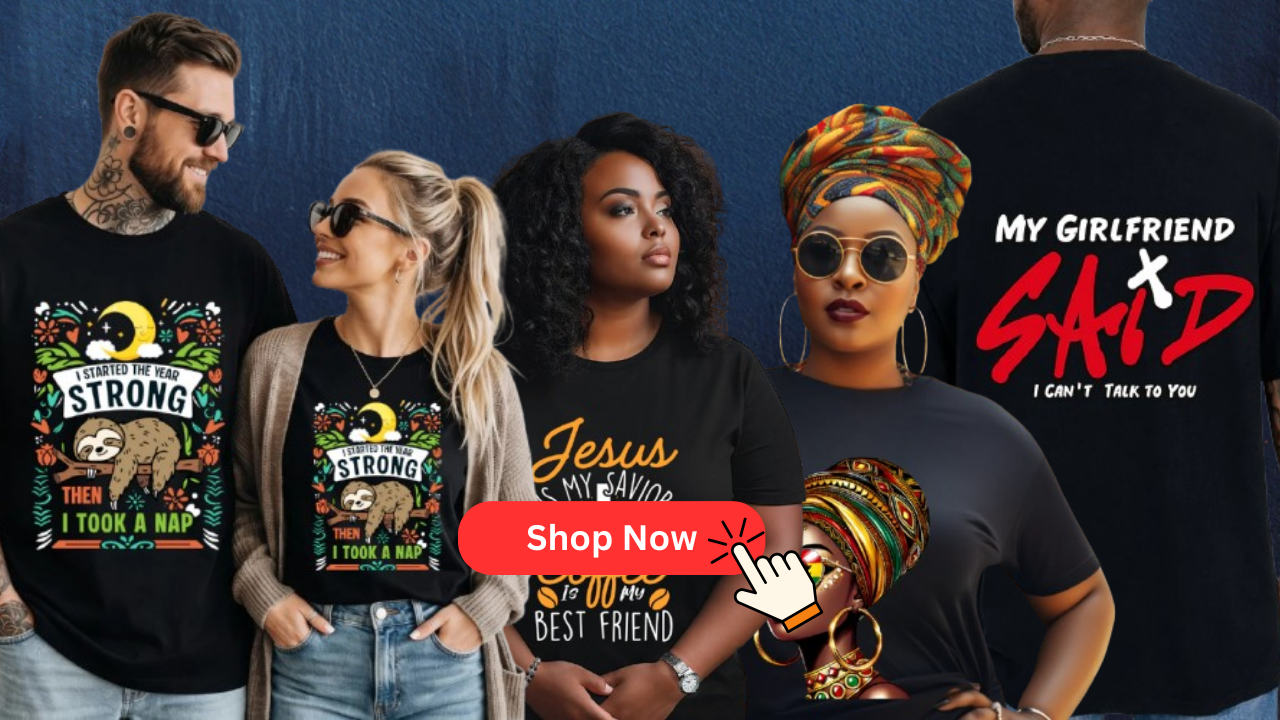
Talking T‑shirts — T‑shirts with slogans, graphics, artwork, or messages — are one of the clearest examples of how fashion turns everyday choices into identity. They literally “speak” for you, often before you say a word.
Why Talking T‑Shirts Are So Powerful
- Instant communication: A statement tee can tell others what you care about at a glance.
- Conversation starters: Graphic tees often lead to comments, questions, and shared connections.
- Low‑effort expression: You can express a strong opinion or personality trait with a simple, comfortable T‑shirt.
- Versatility: Talking T‑shirts pair easily with jeans, shorts, skirts, and jackets, fitting into many styles from casual streetwear to edgy fashion.
Common Identity Themes on Talking T‑Shirts
-
Beliefs and values
- Social justice, environmentalism, equality, and human rights slogans.
- Charity or cause‑related messages supporting nonprofits and movements.
-
Humor and personality
- Funny quotes, ironic statements, or clever puns that signal your sense of humor.
- Sarcastic or bold phrases showing confidence and attitude.
-
Pop culture & fandom
- Music bands, movie references, TV series, anime, gaming icons.
- Retro designs that show nostalgia and cultural taste.
-
Lifestyle and profession
- Fitness slogans, creative professions, coding jokes, or travel/lifestyle mantras.
- Sports team logos representing local pride and loyalty.
By choosing what your T‑shirt “says,” you curate your identity. A wardrobe full of talking T‑shirts becomes a visual portfolio of your life story, updated every day through small, intentional choices.
The Psychology Behind Getting Dressed
The connection between fashion and identity is supported by psychological research. Clothing affects both how others see us and how we see ourselves.
Enclothed Cognition: How Clothes Change How You Feel
The concept of enclothed cognition refers to the way what we wear can influence our thoughts, emotions, and performance.
- Confidence boost: Wearing an outfit that feels “like you” can increase self‑confidence and comfort in social situations.
- Role reinforcement: Outfits linked to specific roles (creative, professional, athletic) reinforce that identity in your mind.
- Mood alignment: Choosing colors and graphics that match your mood can make you feel more authentic.
Social Perception: What Others Read From Your Style
- First impressions are often formed within seconds, and clothing is a major factor.*
- Graphic T‑shirts make it easy for others to categorize you by interests and attitudes.
- Consistency in style helps others recognize and remember you, strengthening your identity in social networks.
*While people should not be judged only by clothes, reality shows that fashion still strongly shapes perception.
From Closet to Personal Brand
In the age of social media and personal branding, your wardrobe and your identity are more connected than ever. What you wear in photos, at events, or in daily life slowly builds your personal brand.
Key Elements of a Style‑Based Personal Brand
-
Consistency
- Recognizable color palettes or repeated themes (e.g., always wearing bold talking T‑shirts).
- A signature accessory (cap, necklace, sneakers) that becomes part of your visual identity.
-
Authenticity
- Choosing clothes that match who you really are rather than just following trends.
- Avoiding slogans and statements that do not represent your true beliefs.
-
Clarity
- Using fashion to make it clear what you stand for — creativity, sustainability, activism, humor, or minimalism.
Talking T‑shirts fit naturally into this idea of a personal brand. They are visual business cards of your personality: approachable, direct, and memorable.
Cultural and Social Meaning of Everyday Style
Fashion is also a social and cultural language. Everyday outfit choices can connect you with groups, locations, and traditions.
Belonging to Communities
-
Subcultures and scenes
- Streetwear, skate culture, hip‑hop, punk, goth, tech, and more all have distinctive styles.
- Wearing specific T‑shirts or logos instantly communicates your membership or support.
-
Local and global identity
- City or country printed tees show hometown pride or travel memories.
- Festival and event T‑shirts signal shared experiences with others who attended.
Fashion as a Form of Soft Resistance
Sometimes everyday choices become quiet acts of resistance or empowerment:
- Feminist slogans challenging stereotypes.
- Environmental messages urging sustainable choices.
- Inclusive statements promoting diversity and acceptance.
In these cases, even a simple T‑shirt transforms from clothing into a wearable manifesto.
Sustainable Fashion as a Reflection of Values
Today, identity is increasingly tied to sustainable fashion. What you wear can reflect your environmental and ethical values just as strongly as your style preferences.
Ways Sustainable Choices Express Who You Are
-
Choosing organic and recycled fabrics
- Organic cotton, recycled polyester, and eco‑friendly inks on T‑shirts show that you care about the planet.
-
Supporting ethical brands
- Buying from brands with fair labor practices sends a message about human rights and fairness.
-
Buying less but better
- A curated wardrobe of high‑quality, meaningful pieces shows a commitment to conscious consumption.
When you select a talking T‑shirt made sustainably, you are expressing two layers of identity at once: the printed message and the ethical choice behind it.
How to Build a Wardrobe That “Speaks” for You
To turn daily fashion choices into a stronger, more coherent identity, you can intentionally build a wardrobe that truly represents you.
Step 1: Define Your Style Keywords
Write down a few words that describe the identity you want to express with your clothing:
-
Examples of style keywords:
- Bold, playful, creative
- Clean, minimal, modern
- Vintage, nostalgic, artistic
- Street, urban, relaxed
- Eco‑conscious, ethical, mindful
Step 2: Audit Your Current Closet
- Separate items that feel like you from those you only wear out of habit.
- Notice which T‑shirts and outfits you reach for when you want to feel confident.
- Identify gaps: do you lack statement pieces, neutral basics, or talking T‑shirts that say what you believe?
Step 3: Choose Signature Pieces
Create a set of items that will become your “style anchors”:
- Signature talking T‑shirts with messages or designs you deeply connect with.
- Versatile basics (plain tees, jeans, jackets) that let your statement pieces stand out.
- One or two statement accessories that people associate with you (hat, scarf, watch, jewelry).
Step 4: Plan Outfits Around Identity, Not Just Occasion
Instead of asking “What do I wear for this event?”, ask:
- “What do I want to say about myself in this situation?”
- “Which talking T‑shirt or outfit best reflects that message?”
This small shift turns every outfit into a deliberate expression of identity, rather than a random choice.
Tips for Choosing Talking T‑Shirts That Match Your Identity
Because talking T‑shirts are such strong identity markers, it helps to choose them thoughtfully.
1. Align the Message With Your Real Beliefs
- Ask yourself if you would say the slogan out loud in conversation.
- Avoid wearing messages that do not reflect your true values just because they are trendy.
2. Consider Context and Versatility
- Choose some tees that are appropriate for:
- Casual work environments
- Social events with friends
- Public spaces where you might meet new people
- Have a few bold message T‑shirts and a few with subtle, artistic graphics for different settings.
3. Focus on Quality and Comfort
- High‑quality fabric and printing last longer — your identity statement should not fade after a few washes.
- Comfort matters: if a T‑shirt feels great, you are more likely to wear it often, reinforcing its role in your style identity.
4. Choose Designs That Age Well
- Timeless graphics, meaningful quotes, and classic typography tend to stay relevant.
- Hyper‑trendy jokes or references may feel outdated quickly and no longer match your identity.
5. Use Color to Support the Message
- Bold slogans on bright colors can emphasize energy and confidence.
- Serious or reflective messages often look powerful on black, white, or muted tones.
The Future of Fashion and Identity
As technology, culture, and sustainability evolve, the relationship between fashion and identity is also changing.
Personalization and Custom Talking T‑Shirts
- On‑demand printing allows you to create custom T‑shirts with your own artwork, quotes, or designs.
- This deepens identity expression by letting you wear truly unique pieces no one else has.
Digital Fashion and Social Media
- Outfits are now documented in photos, videos, and online profiles.
- Your “digital wardrobe” — what you wear in content — helps shape how others see your brand and lifestyle.
Growing Importance of Ethics
- More people are asking where and how their clothes are made.
- Choosing sustainable, fair‑trade, and ethical fashion is becoming a key part of personal identity for conscious consumers.
Whether physical or digital, mass‑produced or custom‑made, fashion will continue to act as a dynamic identity system — constantly updated through your everyday choices.
Conclusion: Fashion as a Daily Language of Identity
Every morning, when you open your closet, you are not just picking clothes — you are selecting the way you will introduce yourself to the world. From the talking T‑shirts that broadcast your beliefs to the subtle details of color and fit, fashion transforms ordinary decisions into extraordinary identity statements.
By becoming more intentional with what you wear, you can:
- Align your style with your values and personality.
- Use fashion as a tool for self‑expression and connection.
- Build a wardrobe that truly “speaks” for you — clearly, confidently, and authentically.
Ultimately, fashion is a language you speak every day. When you learn to use it consciously, you turn simple outfit choices into a powerful, wearable story of who you are and who you are becoming.