Fashion is far more than trends and price tags—it’s a powerful language you use every day to introduce yourself to the world without saying a single word. What you wear can influence how confident you feel, how others perceive you, and even how you show up in important moments of your life. From a bold graphic tee that broadcasts your beliefs to a minimalist outfit that reflects calm focus, fashion helps you show up as your authentic self. In this guide, we’ll explore how style, personal branding, and expressive clothing like talking T-shirts can help you align your outside with your inside—and create a wardrobe that truly represents who you are.
Why Fashion Matters for Self-Expression
Fashion is a visual representation of your identity, values, and mood. It’s not about chasing every trend—it’s about using clothing as a tool for self-expression and self-discovery.
Here’s why fashion matters when you want to show up as yourself:
- First impressions happen fast: People often form an opinion within seconds, and your outfit is a big part of that impression.
- Your clothes affect how you feel: What you wear can increase your confidence, energy, and sense of readiness.
- Fashion can be your personal branding: The right outfit tells your story—your interests, beliefs, and personality—without any explanation.
- Style helps you feel “at home” in your own skin: Wearing clothes that reflect who you are reduces anxiety and helps you feel more grounded in any setting.
When you intentionally choose clothing that aligns with your identity—from expressive graphic tees to carefully curated basics—you’re sending a clear message: this is who I am.
The Psychology of Clothing and Self-Image
Fashion is closely tied to psychology. Studies on “enclothed cognition” show that what you wear can shape how you think and behave.
The impact of clothing on mindset
- Confidence boost: Wearing clothes you love can change your posture, eye contact, and overall presence.
- Role reinforcement: Outfits associated with a role (like a blazer for work or a sports jersey for a game) can make you feel more capable in that role.
- Emotional regulation: Cozy, soft fabrics can calm you; bold colors can energize you.
How self-image and style interact
- Self-image influences style: How you see yourself drives the clothes you select—confident, artistic, introverted, playful, minimalist, rebellious.
- Style reshapes self-image: When you step into a style that better reflects who you want to be, your self-image gradually shifts to match.
This is why being intentional about your clothing is so powerful. By consciously choosing fashion that supports your identity, you reinforce your inner sense of self.
How to Build a Personal Style That Feels Like You
Personal style is not about having the “perfect” wardrobe; it’s about having a wardrobe that feels authentic. To use fashion to show up as yourself, you first need clarity about what that “self” looks like in clothing.
1. Define your style keywords
Choose 3–5 words that describe how you want to feel and be seen. Examples:
- Creative, bold, artistic
- Relaxed, minimal, effortless
- Playful, colorful, quirky
- Powerful, polished, modern
Keep these words in mind when shopping or getting dressed. If an item doesn’t match at least two of your keywords, it likely won’t help you show up as your true self.
2. Study your current wardrobe
- Pull out 5–10 pieces you love wearing.
- Ask:
- What colors repeat?
- What fits do I reach for (oversized, fitted, cropped, longline)?
- What details do I love (graphics, textures, clean lines, slogans)?
- Write down patterns you notice—these are clues to your real style.
3. Identify your signature elements
A personal style that helps you show up authentically often includes a few signature elements that people start to associate with you:
- A favorite color palette (earth tones, monochrome black, jewel tones, pastels)
- Consistent silhouettes (wide-leg pants, skinny jeans, oversized tops, cropped jackets)
- Distinct accessories (caps, statement earrings, layered necklaces, sneakers)
- Talking T-shirts or graphic tees that highlight your beliefs, humor, or identity
These details make your style recognizable and help you feel grounded in who you are, no matter the occasion.
Fashion as Identity: Showing Up Authentically
Authentic fashion choices are not about impressing others—they’re about feeling aligned with yourself. When fashion reflects your identity, you no longer feel like you’re “costume dressing” for different spaces.
Ways fashion expresses identity
- Cultural identity: Traditional patterns, textiles, or jewelry that honor your heritage.
- Personal values: Slogans, eco-friendly fabrics, or ethical brands that reflect your beliefs.
- Lifestyle and passions: Sportswear, band tees, streetwear, or art-inspired prints that show what you love.
- Personality traits: Calm neutrals for minimalists, bright color-blocking for extroverts, dark aesthetics for those drawn to alternative style.
Authenticity vs. approval
To truly show up as yourself, it’s helpful to ask:
- Am I choosing this for me, or to impress someone else?
- Do I feel comfortable and myself in this outfit?
- If no one commented on what I wear, would I still choose this?
Fashion becomes a powerful tool when your answer consistently leans toward wearing what feels right to you—even if it stands out.
Talking T-Shirts: When Your Clothes Literally Speak for You
Talking T-shirts—or expressive graphic tees with words, phrases, and art—are one of the most direct ways fashion helps you show up as yourself. They make your clothing a literal billboard for your thoughts, humor, and values.
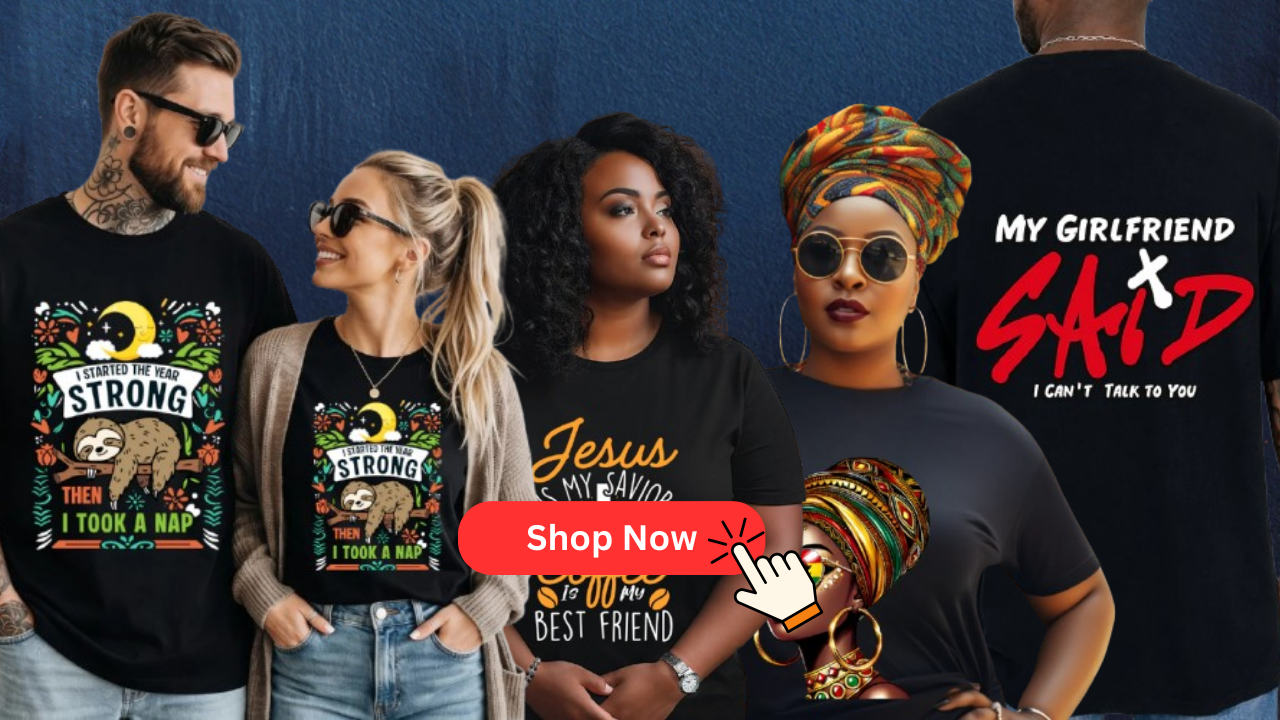
Why talking T-shirts are powerful for self-expression
- Instant communication: A single line of text can communicate your mood, stance, or personality.
- Conversation starters: People are more likely to approach you over a shirt that resonates with them.
- Low-effort styling, high impact: Even with basic jeans, a talking T-shirt makes the outfit distinctive.
- Affirmation and identity: Wearing messages that align with your beliefs reinforces them internally.
Types of talking T-shirts that help you show up as yourself
- Value-based tees: Equality, sustainability, mental health, kindness, empowerment.
- Humor and personality tees: Sarcastic quotes, introvert jokes, witty lines, puns.
- Passion and fandom tees: Bands, games, movies, sports teams, hobbies.
- Affirmation tees: Positive quotes, motivational phrases, self-love messages.
Styling tips for talking T-shirts
- Casual days: Pair with jeans, sneakers, and a cap for effortless, expressive style.
- Smart-casual: Layer under a blazer or structured jacket to balance personality and polish.
- Streetwear edge: Combine with oversized hoodies, cargo pants, and chunky shoes.
- Layering for nuance: Let part of the message show under an open shirt or jacket for a more subtle effect.
When you choose talking T-shirts that reflect your views and personality, you let your fashion speak clearly—even before you do.
How Your Wardrobe Boosts Confidence and Presence
Confidence is deeply connected to how you feel in your clothes. When you feel “wrong” in an outfit—too tight, too formal, too plain, too loud—you’re less likely to speak up, take risks, or fully participate.
Signs your wardrobe supports your confidence
- You look in the mirror and think, “Yes, that’s me.”
- You’re not constantly adjusting, hiding, or feeling self-conscious.
- You feel prepared for your day—whether it’s a meeting, a date, or a casual hangout.
- Your outfit gives you a quiet boost, not constant worry.
How fashion helps you show up more fully
- In professional settings: A well-fitting blazer, clean shoes, and a confident color palette can make you feel more capable and credible.
- In social settings: Expressive pieces (like talking T-shirts) can act as social bridges, easing awkwardness.
- In creative work: Unique, artistic outfits can help you tap into your creative identity.
When your wardrobe reflects your identity and fits your body well, you spend less energy worrying about how you look—and more energy showing up as yourself.
Practical Steps to Use Fashion to Show Up as Yourself
Transforming your fashion into a tool for authenticity doesn’t require a total closet overhaul. Start with intentional, manageable steps.
1. Do a “truth check” on your current clothes
- Take out a selection of items you wear often.
- For each item, ask:
- Does this feel like me?
- Do I feel confident when I wear this?
- Am I keeping this out of guilt, habit, or expectations?
- Place items into:
- Love & Authentic
- Not Me Anymore
- Unsure
2. Build small “authentic outfits”
Create 3–5 outfits that feel the most like you, and keep them in mind for busy days.
- Include at least one piece that clearly expresses your identity (a talking T-shirt, a signature jacket, meaningful jewelry).
- Photograph these outfits for future reference.
3. Start a style mood board
- Use Pinterest, screenshots, or a physical board.
- Save:
- Outfits that inspire you
- Colors you love
- Quotes or T-shirt designs that sound like your voice
- Notice patterns: Are you drawn to streetwear, minimalism, vintage, bold prints?
4. Shop with intention
- Create a short list before buying:
- 1–2 everyday talking T-shirts that align with your values or humor
- 1 jacket or layer that instantly makes you feel like “you”
- 1 pair of pants or jeans that fit incredibly well
- Use a simple rule: If it doesn’t feel like me in the fitting room, it won’t at home.
Aligning Your Fashion Choices With Your Values
Fashion becomes especially meaningful when it reflects not just your personality, but also your values—what matters most to you.
Examples of value-driven fashion
- Sustainability: Choosing second-hand pieces, organic cotton, or brands focused on responsible production.
- Ethics and equality: Wearing T-shirts with messages supporting social justice, inclusion, or human rights.
- Mental health advocacy: Talking T-shirts that normalize therapy, self-care, and emotional honesty.
- Body acceptance: Brands and cuts that celebrate all sizes, rather than hiding or “fixing” your body.
How to check alignment with your values
- Ask:
- Does this brand or message stand for something I agree with?
- Am I comfortable being publicly associated with what’s on this shirt?
- Prioritize pieces that let you say, “I believe in this,” simply by wearing them.
Overcoming Common Style Blocks and Fears
Many people want to dress more authentically but feel held back by fear or uncertainty. Recognizing these blocks can help you move through them.
1. Fear of standing out
- Thought: “People will judge me if I wear this.”
- Reframe: People will have opinions regardless; you might as well be judged for being yourself instead of a version you don’t even like.
- Action: Start with small expressive details—like a subtle talking T-shirt under an open shirt—then gradually grow bolder.
2. Not knowing what suits you
- Experiment with:
- Different cuts (slim, relaxed, oversized)
- Necklines (crew, V-neck, scoop)
- Lengths (cropped vs. longline)
- Take photos in different outfits to see what feels most “right” and balanced.
3. Conflicting expectations (family, culture, workplace)
- Blend authenticity with context: You can respect certain dress norms while still including elements of your true style.
- Examples:
- Work: Classic trousers with subtle, message-based talking T-shirt under a blazer.
- Family events: Comfortable, modest silhouettes in your favorite colors and textures.
Creating a Sustainable, Authentic Wardrobe
Showing up as yourself through fashion doesn’t require frequent shopping. A sustainable approach can actually deepen your authenticity.
Principles of a sustainable, “true to you” wardrobe
- Buy less, choose better: Invest in items you genuinely love and will wear often.
- Repeat outfits proudly: A signature look can become part of your identity.
- Care for what you own: Learn basic repairs, proper washing, and storage.
- Rotate expressive pieces: A small collection of talking T-shirts can transform basic bottoms into multiple unique outfits.
Core pieces for an expressive yet practical wardrobe
- 2–5 talking T-shirts that say something real about you
- 2–3 bottoms you feel amazing in (jeans, trousers, skirts, joggers)
- 1–2 jackets or overshirts that add instant personality
- Comfortable, stylish shoes that match your lifestyle
- A few accessories that feel like your “trademark” (hat, bag, jewelry)
Everyday Routines to Help You Show Up as Yourself
Consistency is key. Small daily habits can transform fashion from a stress point into a supportive ritual.
Morning “alignment” checklist
- How do I want to feel today? (Calm, powerful, playful, bold, grounded.)
- What am I doing today? (Meetings, errands, social time, creative work.)
- Which item helps me feel most like myself? (Pick at least one—often a tee, jacket, or accessory.)
Weekly reflection
- At the end of the week, note:
- Which outfits made me feel most like myself?
- Which outfits felt “off” and why?
- What patterns am I noticing?
- Use this feedback to refine your wardrobe over time.
FAQ: Fashion, Authenticity, and Self-Expression
Does caring about fashion mean I’m shallow?
No. Caring about fashion can be a form of self-respect and self-expression. When you choose clothes that align with your identity and values, you’re using style as a tool for communication and confidence, not vanity.
What if my style doesn’t match current trends?
That’s often a strength. Personal style beats trends in the long run. If your look feels true to you, it will always have its own kind of relevance and appeal.
Can I have multiple “selves” in my wardrobe?
Yes. You may have different facets—professional, casual, creative, sporty. The key is that each facet still feels authentic, not like a forced costume.
Are talking T-shirts appropriate for adults?
Absolutely. Talking T-shirts can be smart, subtle, witty, or powerful. When chosen thoughtfully, they work for many ages and styles—especially in casual and creative environments.
How do I start if I’m on a tight budget?
- Begin with:
- 1–2 versatile talking T-shirts that represent you strongly.
- One great pair of jeans or pants.
- Use second-hand stores and resale platforms.
- Focus on fit and authenticity over brand names.
Fashion does not have to be complicated or expensive to be meaningful. When used intentionally, it becomes a daily practice of self-affirmation. Every time you choose an outfit that feels like you—from a minimalist uniform to a bold talking T-shirt—you’re not just getting dressed. You’re choosing to show up as yourself, clearly and confidently, in every space you enter.