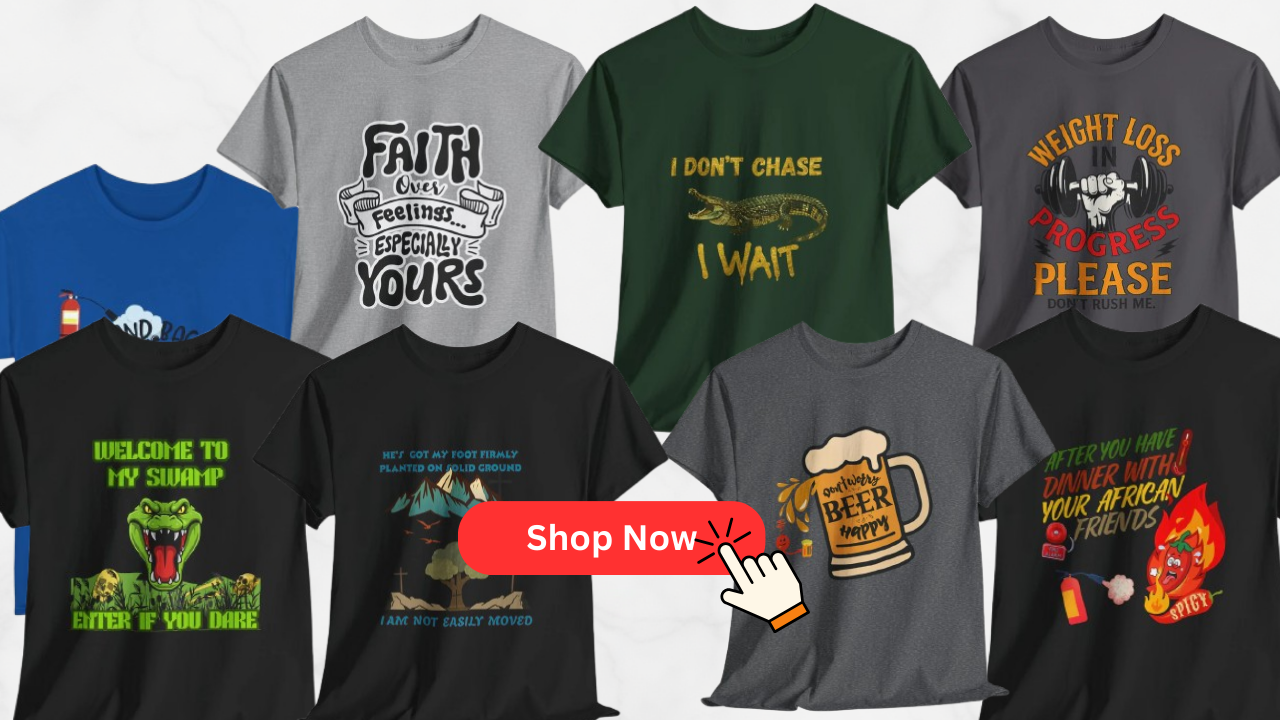
Clothing is far more than fabric stitched together; it is a powerful language that communicates who we are, what we believe, and how we want the world to see us. From bold graphic T-shirts that showcase our beliefs to subtle style choices that reflect our personality traits, fashion acts as a visual identity and a form of self-expression. In a world where first impressions are formed in seconds, what we wear can convey our values, moods, and cultural connections before we even speak. This article explores in detail how clothing can represent beliefs and personality, why these choices matter, and how you can use your wardrobe to express your true self with intention.
How Clothing Reflects Beliefs and Personality
Clothing is a visible extension of our inner world. It reflects:
- Beliefs – political views, social causes, religious identities, ethical values, and philosophies.
- Personality traits – creativity, confidence, introversion or extroversion, practicality, boldness, and openness to new experiences.
- Lifestyle and priorities – minimalism vs. maximalism, active lifestyles, professional goals, or artistic pursuits.
Unlike spoken communication, what we wear constantly broadcasts signals, even when we are silent. Our clothing can:
- Attract like‑minded people who share similar values or style preferences.
- Signal membership in communities, subcultures, or belief systems.
- Influence how people respond to us and how we feel about ourselves.
Understanding how clothing represents beliefs and personality allows you to create a more intentional wardrobe that supports your identity and communicates your message clearly.
The Psychology of Style: Why What We Wear Matters
The connection between clothing, beliefs, and personality is not just cultural; it is also psychological. Researchers refer to this as enclothed cognition – the idea that what we wear can influence both how others see us and how we see ourselves.
How Clothing Affects Self‑Perception
- Confidence boost: Wearing clothing that aligns with your identity and beliefs often increases your confidence and sense of authenticity.
- Role reinforcement: Outfits can reinforce roles you value – a “professional” outfit for ambition, or a “creative” ensemble for artistic identity.
- Mood influence: Colors, textures, and fit affect mood; bright colors and comfortable fabrics often elevate energy and positivity.
How Clothing Influences Others’ Perceptions
- First impressions: People quickly form assumptions about your values and personality based on your style, from conservative to rebellious, minimalist to expressive.
- Credibility and trust: Consistent and coherent clothing choices can increase perceived reliability and authenticity.
- Social alignment: Clothing that visibly reflects beliefs (such as cause-related T-shirts or cultural garments) helps others identify shared values and experiences.
Understanding these psychological dynamics helps explain why Talking T-Shirts and other expressive garments have become popular: they combine comfort and visual design with clear messages that align with identity and belief systems.
Clothing as a Language of Identity
Clothing can be seen as a nonverbal language with its own vocabulary and grammar. We “speak” through:
- Silhouettes and cuts – sharp and structured vs. loose and relaxed.
- Colors and patterns – bold prints vs. monochrome minimalism.
- Graphics and text – slogans, symbols, logos, and illustrations.
- Accessories – hats, jewelry, bags, and shoes that highlight identity details.
Common Identity Messages Sent Through Clothing
- Individuality: Unique combinations, custom pieces, and statement T-shirts show a desire to stand out and be recognized as different.
- Belonging: Team jerseys, band merchandise, cultural garments, and group T-shirts signal community and shared identity.
- Rebellion: Distressed clothing, unconventional styling, and provocative slogans often communicate resistance to norms.
- Professionalism: Tailored pieces, neutral colors, and minimalist accessories suggest seriousness, discipline, and ambition.
- Creativity: Experimental layering, artistic prints, and unexpected color combinations communicate imagination and openness.
The more intentional you are about this “language,” the more accurately your clothing will represent your beliefs and personality without misunderstanding.
Expressing Beliefs Through Clothing
Clothing is a powerful tool for expressing beliefs because it is:
- Public – visible in daily life and social spaces.
- Continuous – present throughout the day, not just when you speak.
- Accessible – wearable by people of different backgrounds and lifestyles.
Types of Beliefs Commonly Expressed via Clothing
-
Social and political beliefs
- Protest T-shirts with slogans or graphics supporting causes (equality, climate action, human rights).
- Colors or symbols tied to political movements or social justice campaigns.
-
Religious and spiritual beliefs
- Modest fashion choices reflecting faith-based values.
- Symbols and texts, such as crosses, verses, mantras, or spiritual icons.
-
Cultural and heritage beliefs
- Traditional garments worn daily or on special occasions to express pride in heritage.
- Patterns, prints, and colors that are culturally significant.
-
Ethical and environmental beliefs
- Clothing labeled as organic, fair trade, or sustainable.
- T-shirts with messages around veganism, zero‑waste lifestyles, or environmental activism.
Why Belief-Expressing Clothing Matters
- Visibility of causes: Wearing beliefs publicly can amplify awareness of important issues.
- Empowerment: Clothes that match inner values create a sense of alignment and integrity.
- Connection: Similar symbols, slogans, or styles act as conversation starters and connection points.
For many people, Talking T-Shirts and other statement pieces have become a key method of turning beliefs into everyday, wearable communication.
Personality Types and Fashion Choices
Personality often shapes how we approach clothing. While everyone is unique, certain patterns frequently appear.
Examples of Personality-Driven Style Patterns
-
The Bold Extrovert
- Prefers bright colors, large prints, and eye‑catching designs.
- Comfortable wearing T-shirts with strong messages or humor.
- Sees clothing as a way to start conversations and stand out.
-
The Thoughtful Introvert
- Gravitates toward subtle colors, simple cuts, and minimal graphics.
- May prefer smaller, meaningful symbols rather than loud slogans.
- Uses clothing for comfort and quiet self‑alignment rather than attention.
-
The Practical Realist
- Chooses functional and durable clothing over trends.
- Likes versatile pieces that work in multiple settings.
- Beliefs may be reflected more through brand ethics than bold visuals.
-
The Creative Explorer
- Mixes styles from different eras and cultures.
- Loves unique graphic T-shirts, artistic prints, and DIY customizations.
- Views clothing as a constantly evolving creative project.
-
The Minimalist Idealist
- Prefers a small, carefully curated wardrobe.
- Focuses on neutral colors, timeless cuts, and high‑quality basics.
- Often motivated by anti-consumerism, sustainability, or mental clarity.
Recognizing your own style pattern helps you choose pieces – especially expressive T-shirts and statement garments – that authentically represent your real personality instead of trends that feel forced.
Talking T-Shirts: How Graphic Tees Communicate Messages
Talking T-Shirts and graphic tees are among the most direct ways to show beliefs and personality through clothing because they literally “speak” through text and imagery.
Types of Messages on Talking T-Shirts
-
Value-based messages
- Slogans supporting kindness, equality, environmental responsibility, or mental health awareness.
- Inspirational quotes that reflect personal philosophies.
-
Humor and wit
- Funny statements, clever puns, or sarcastic remarks.
- Shows playfulness, intelligence, and specific types of humor.
-
Pop culture and fandom
- References to movies, TV series, games, music, or internet culture.
- Signals membership in fan communities and shared interests.
-
Identity and pride
- Statements about hometowns, professions, hobbies, and life roles.
- Pride-related messages and inclusive designs representing gender, sexuality, or community identities.
Why Talking T-Shirts Are So Effective
- Instant clarity: People understand your stance or personality in seconds.
- Low-effort communication: Messages are communicated without having to initiate a conversation.
- Versatility: Can be dressed up or down, layered under jackets, or styled with jeans, skirts, or shorts.
Tips for Choosing the Right Talking T-Shirt
- Align with your real beliefs: Avoid wearing messages you do not fully support; authenticity matters.
- Consider context: Some slogans might be great for casual gatherings but inappropriate for professional environments.
- Balance design and message: Choose graphics and typography that match your aesthetic as well as your values.
- Think long-term: Classic messages that reflect core beliefs will stay relevant longer than fast, trendy jokes.
When chosen with intention, Talking T-Shirts can become a core part of a wardrobe that visibly represents beliefs and personality every day.
Cultural and Social Identity in Clothing
Culture and social background play a huge role in how clothing expresses who we are.
Cultural Expression Through Clothing
- Traditional garments show pride in origins, history, and heritage.
- Fusion fashion blends traditional elements with modern silhouettes to show both respect for the past and engagement with the present.
- Color symbolism varies by culture and can reflect beliefs around celebration, mourning, or spirituality.
Social Groups and Subcultures
Clothing helps signal membership in particular social groups:
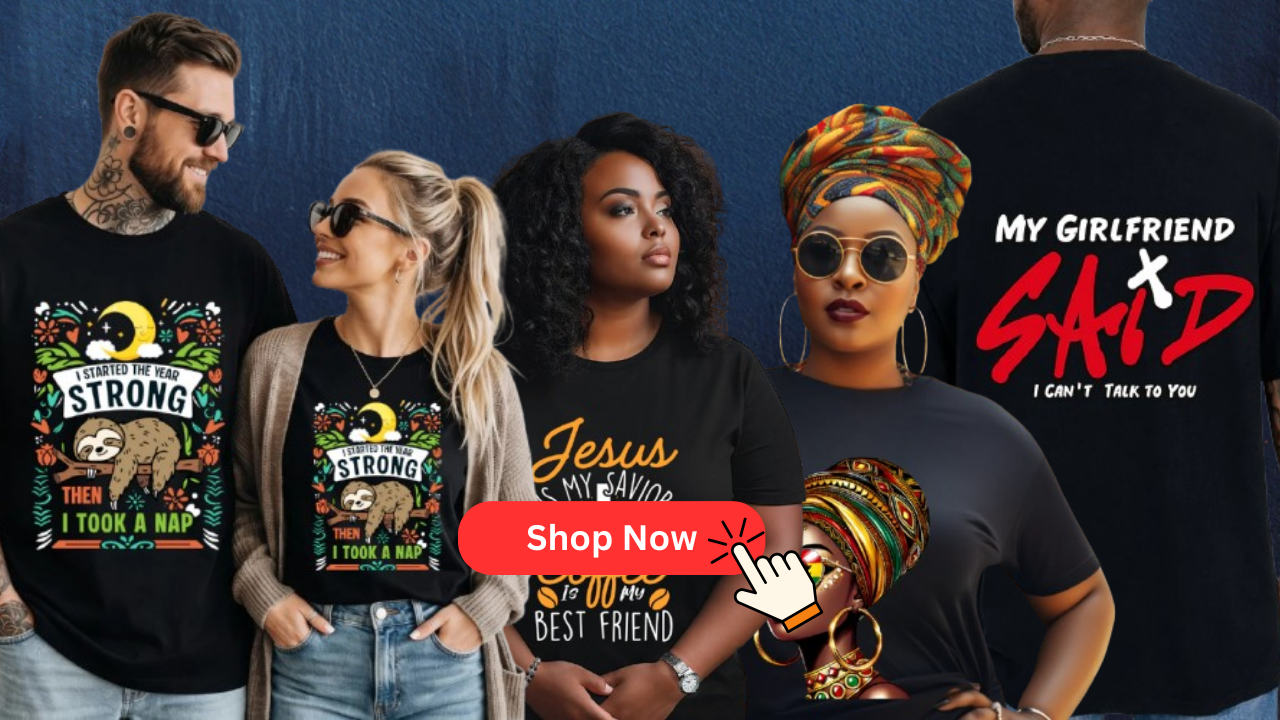
- Music scenes – band T-shirts, specific fits, and accessories show allegiance to genres like rock, hip hop, or electronic music.
- Sports communities – jerseys, team colors, and performance wear represent loyalty and shared passion.
- Alternative subcultures – goth, punk, streetwear, skate culture, and more, each with distinct style codes.
By combining cultural garments, Talking T-Shirts, and subcultural style codes, individuals create rich, layered identities that communicate both where they come from and what they stand for.
Values, Sustainability, and Ethical Fashion
Clothing choices do not just represent beliefs through visible messages; they also reflect values through how the garments are made.
How Ethics Show Up in Clothing Choices
- Sustainable materials: Organic cotton, recycled fibers, and low‑impact dyes indicate environmental concern.
- Fair labor practices: Choosing brands that pay fair wages and prioritize safe working conditions shows commitment to social justice.
- Slow fashion: Buying fewer, higher-quality pieces reflects beliefs in anti‑waste and conscious consumption.
- Secondhand and upcycled clothing: Thrifted outfits and upcycled T-shirts align with circular economy values.
Wearing Your Values, Inside and Out
When you combine:
- Surface messages (such as Talking T-Shirts that promote kindness or climate awareness), and
- Production choices (such as ethical or sustainable manufacturing),
your wardrobe becomes a more complete and authentic expression of your beliefs and personality.
Clothing in the Workplace: Balancing Beliefs and Professionalism
In professional environments, clothing still represents beliefs and personality, but the expression is often more subtle.
Subtle Ways to Communicate Identity at Work
- Color choices: Calm neutrals for reliability, or strategic pops of color for creativity and confidence.
- Accessories: Small pins, jewelry, or lanyards that signify causes, communities, or interests.
- Minimalist Talking T-Shirts: Under blazers or cardigans, with refined typography or subtle graphics for relaxed dress codes.
Beliefs and Professional Image
- Know your environment: Some workplaces welcome expressive clothing; others expect more neutral styles.
- Stay respectful: Avoid clothing that might unintentionally offend colleagues from different backgrounds.
- Focus on coherence: Align your work wardrobe with both your personal values and your professional goals.
When done thoughtfully, workwear can still be an authentic reflection of who you are while maintaining a professional and respectful image.
How to Build a Wardrobe That Reflects Who You Are
Creating a wardrobe that truly represents your beliefs and personality is a step‑by‑step process.
Step 1: Clarify Your Core Beliefs and Traits
- List the values and causes that matter most to you (for example: equality, creativity, mindfulness, sustainability).
- Identify your key personality traits (such as bold, calm, analytical, playful, adventurous).
Step 2: Audit Your Current Wardrobe
- Separate items into:
- “Feels like me” – pieces that you love and wear often.
- “Maybe” – items that fit but don’t fully reflect your style or beliefs.
- “Not me” – pieces that no longer match who you are or want to be.
- Notice patterns: colors, fits, and themes that appear in the “feels like me” pile.
Step 3: Define Your Style and Message
Ask yourself:
- What do I want my clothing to say about my beliefs?
- What do I want people to sense about my personality when they see me?
- Which combination of basics and Talking T-Shirts best supports that message?
Step 4: Curate Key Pieces
- Statement T-shirts with messages or designs that mirror your values.
- Versatile basics that highlight your preferred shape, fit, and comfort level.
- Accessories that represent interests, cultures, or communities.
- Ethically produced items that align with your environmental or social beliefs.
Step 5: Evolve Intentionally
- Update your wardrobe gradually as your beliefs and personality grow.
- Rotate out items that no longer align with your current self.
- Use each new purchase as an opportunity to strengthen the connection between your clothing and your identity.
Common Mistakes in Clothing-Based Self‑Expression
While clothing can powerfully represent beliefs and personality, a few common mistakes can weaken the message.
Misalignment with True Beliefs
- Wearing slogans or symbols just because they are trendy, without truly supporting the message.
- Copying another person’s style even if it does not feel authentic.
Overcomplication
- Layering too many conflicting symbols, prints, and colors can create confusion about your identity.
- Cluttered styling may obscure the beliefs or personality traits you want to highlight.
Ignoring Context
- Wearing highly controversial messages in spaces where dialogue is limited or where they may cause harm rather than understanding.
- Choosing clothing that undermines your own goals (for example, a message that conflicts with a professional image you are building).
To avoid these pitfalls, prioritize clarity, authenticity, and context in your clothing choices.
The Future of Expressive Fashion
The ways we use clothing to represent beliefs and personality are evolving rapidly.
Emerging Trends
- Personalized Talking T-Shirts: Custom text, names, and designs allow people to express extremely specific beliefs and identities.
- Tech-integrated fashion: Smart fabrics, digital prints, and wearable tech that change color or display different messages.
- On-demand production: Made-to-order T-shirts and garments that reduce waste and increase personal relevance.
- Inclusive sizing and design: Broader size ranges and gender‑neutral styles, allowing more people to express themselves comfortably.
Deeper Integration of Values
- More brands and individuals are prioritizing sustainability, ethical production, and transparency.
- Consumers increasingly choose clothing not only for how it looks but for what the company stands for.
- This means that in the future, a T-shirt might communicate beliefs through:
- Its visible graphic, and
- Its invisible story of how and where it was made.
As expressive fashion evolves, we can expect clothing to become an even more detailed and accurate reflection of who we are and what we believe.
Conclusion: Wear Your Beliefs and Personality with Intention
Every outfit sends a message. Whether through bold Talking T-Shirts, thoughtful accessories, or quiet, minimalist basics, your clothing is constantly representing your beliefs and personality to the world. By understanding the psychology of style, recognizing cultural and ethical dimensions, and making intentional wardrobe choices, you can turn your closet into a powerful tool for self‑expression.
When you choose garments that align with your values, support your lifestyle, and reflect your true character, you do more than get dressed – you create a visual story of who you are. In a world filled with quick impressions and visual communication, letting your clothing speak authentically for you is one of the most effective and accessible ways to share your beliefs and personality with confidence.